
Type: Press Releases
Find latest government and regulatory press releases covering taxation, corporate affairs, banking, finance, securities, trade and professional developments.
Goods and Services Tax
Goods and Services Tax
GSTN Extends Timeline for ‘Ship To GSTIN’ & E-Way Bill Closure Implementation
Fema / RBI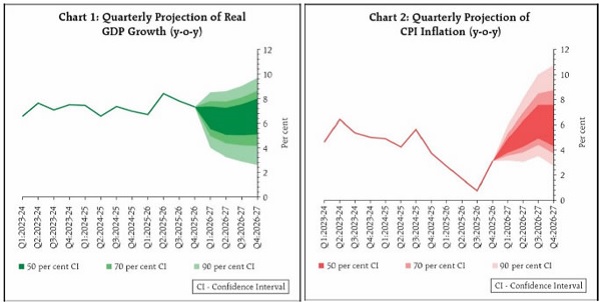
Fema / RBI
RBI Monetary Policy Status Quo Maintained as Global Conflict Heightened Economic Risks
Fema / RBI
Fema / RBI
RBI Keeps Repo Rate Unchanged as Inflation Risks Increased Amid Global Uncertainty
Fema / RBI
Fema / RBI
RBI Proposes Deposit Rate Changes as Banks Need Greater Flexibility in Pricing Bulk Deposits
Corporate Law
Corporate Law
IBBI amends IBC Utilities, voluntary liquidation, personal guarantors & pre-pack processes
Corporate Law
Corporate Law
IBBI amended liquidation regulations to place Committee of Creditors at center
Corporate Law
Corporate Law
IBBI Notifies CIRP Amendment Regulations 2026 to Reduce Insolvency Disputes
Fema / RBI
Fema / RBI
Indian Travellers Can Pay in Cambodia as UPI Is Now Connected with KHQR Network
Goods and Services Tax
Goods and Services Tax
Gross and Net GST revenue collections for the month of May, 2026
Goods and Services Tax
Goods and Services Tax
GSTN Advisory on Enhancements in e-Way Bill (EWB) Portal
Fema / RBI
Fema / RBI
RBI Issues Revised Draft Directions on Loan Recovery & Recovery Agents
Fema / RBI
Fema / RBI
RBI invites comments on draft RBI (Capital Adequacy) Amendment Directions, 2026
Goods and Services Tax
Goods and Services Tax
GSTN Introduces Mandatory Annexure-B Offline Utility to Automate ITC Refund Verification
SEBI
SEBI
SEBI Clarifies PAN Rules for FPIs as New Income-Tax Forms Created Onboarding Difficulties
Press Releases provides official announcements and information issued by government departments, regulators and other authorities across subjects covered by TaxGuru. Releases may concern Income Tax, GST, Customs, Company Law, DGFT, Excise, FEMA/RBI, SEBI, finance, professional bodies and other regulatory developments. They may announce policy decisions, compliance statistics, deadlines, regulatory measures and other developments relevant to taxpayers, businesses and professionals.

