
Type: Press Releases
Find latest government and regulatory press releases covering taxation, corporate affairs, banking, finance, securities, trade and professional developments.
Fema / RBI
Fema / RBI
RBI Issues Draft Amendment Directions for ‘Advertising, Marketing and Sales of Financial Products and Services by Regulated Entities’
Corporate Law
Corporate Law
100% FDI Allowed in Insurance Under Automatic Route: Key Compliance Explained
Fema / RBI
Fema / RBI
RBI Proposes Higher Unsecured Loan Limits and Relaxed Norms for UCBs
Fema / RBI
Fema / RBI
RBI Proposes Registration Exemption for Small NBFCs Without Public Funds
Fema / RBI
Fema / RBI
Foreign Exchange Management (Borrowing and Lending) (First Amendment) Regulations, 2026
Fema / RBI
Fema / RBI
RBI Issues Draft Revised Master Direction on Credit Derivatives
Fema / RBI
Fema / RBI
RBI Seeks Public Comments on Draft NBFC Branch Authorisation Amendments
Fema / RBI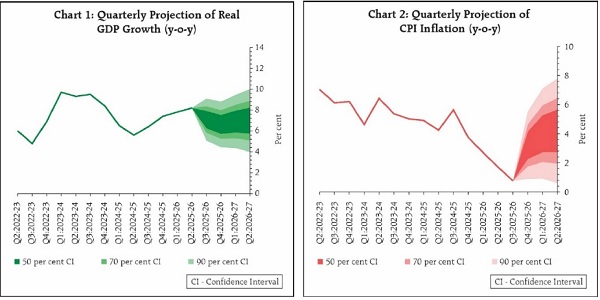
Fema / RBI
Repo Rate unchanged as RBI Rolls Out Sweeping Financial Reforms
Goods and Services Tax
Goods and Services Tax
Gross & Net GST revenue collections for January 2026 Month
Goods and Services Tax
Goods and Services Tax
Advisory on Interest Collection and Related Enhancements in GSTR-3B
SEBI
SEBI
SEBI Removes Letter of Confirmation requirement for Faster Demat Credit
SEBI
SEBI
SEBI Opens One-Year Special Window for Legacy Physical Share Transfers
Fema / RBI
Fema / RBI
RBI Proposes Relief Norms for Natural Calamity-Hit Borrowers
Goods and Services Tax
Goods and Services Tax
Advisory on RSP-Based Valuation of Notified Tobacco Goods under GST
Press Releases provides official announcements and information issued by government departments, regulators and other authorities across subjects covered by TaxGuru. Releases may concern Income Tax, GST, Customs, Company Law, DGFT, Excise, FEMA/RBI, SEBI, finance, professional bodies and other regulatory developments. They may announce policy decisions, compliance statistics, deadlines, regulatory measures and other developments relevant to taxpayers, businesses and professionals.

