
Type: Press Releases
Find latest government and regulatory press releases covering taxation, corporate affairs, banking, finance, securities, trade and professional developments.
Goods and Services Tax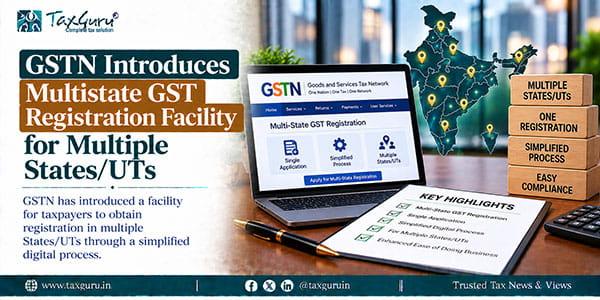
Goods and Services Tax
GSTN Introduces Multistate GST Registration Facility for Multiple States/UTs
SEBI
SEBI
SEBI Revamps Document Number Verification System for Authentication of Letters and Notices
Corporate Law
Corporate Law
IBC Strengthens Credit Discipline, Recovery Climate and Ease of Doing Business: Harsh Malhotra
Goods and Services Tax
Goods and Services Tax
September 2026 Gross GST Revenue Rises 14.7% to Rs. 2.04 Lakh Crore
SEBI
SEBI
SEBI Board Approves Major PMS, Settlement, REIT, InvIT and Market Reforms
Fema / RBI
Fema / RBI
RBI Commercial Banks Minimum Capital Requirements for Market Risk Directions, 2026
Goods and Services Tax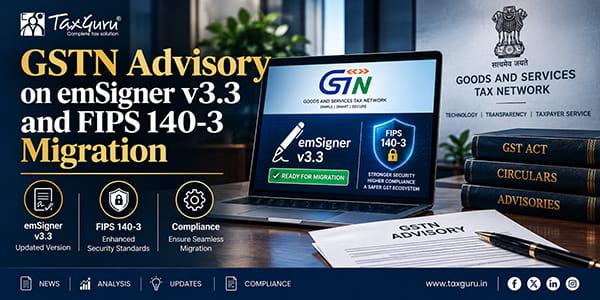
Goods and Services Tax
GSTN Advisory on emSigner v3.3 and FIPS 140-3 Migration
SEBI
SEBI
SEBI Extends Samuhik Prativedan Manch to Clearing Corporation Members
SEBI
SEBI
SEBI Felicitates Securities Market TechSprint Winners at Global Fintech Fest 2026
Fema / RBI
Fema / RBI
RBI Proposes SOP for Suspected Money Mule Bank Accounts
SEBI
SEBI
Demat 2.0 Tokenised Corporate Bonds Pilot and FAQs: SEBI
SEBI
SEBI
SEBI Chairman Addresses Global Fintech Fest 2026 on AI, Tokenisation and Market Regulation
Goods and Services Tax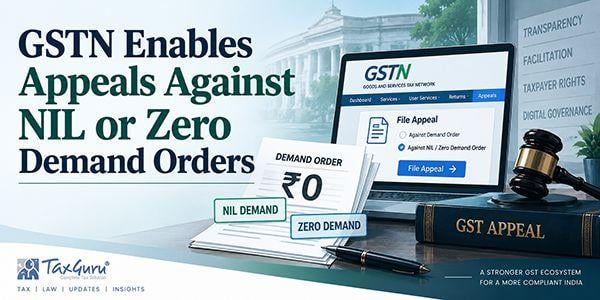
Goods and Services Tax
GSTN Enables Appeals Against NIL or Zero Demand Orders
SEBI
SEBI
SEBI to Review Derivative Settlement Price Methodology After CAS Rollout
Press Releases provides official announcements and information issued by government departments, regulators and other authorities across subjects covered by TaxGuru. Releases may concern Income Tax, GST, Customs, Company Law, DGFT, Excise, FEMA/RBI, SEBI, finance, professional bodies and other regulatory developments. They may announce policy decisions, compliance statistics, deadlines, regulatory measures and other developments relevant to taxpayers, businesses and professionals.

