
Type: Featured
10,042 articlesFema / RBI
Fema / RBI
New Banking Nomination Rules Allows Up to Four Nominees per Account
Corporate Law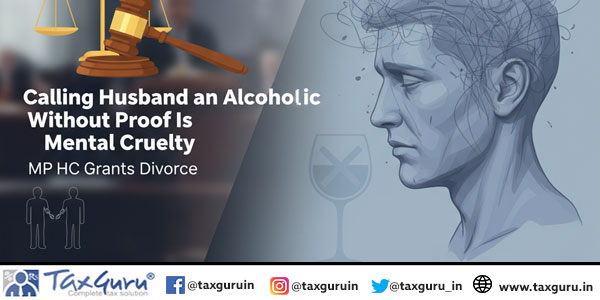
Corporate Law
Calling Husband an Alcoholic Without Proof Is Mental Cruelty: MP HC Grants Divorce
Income Tax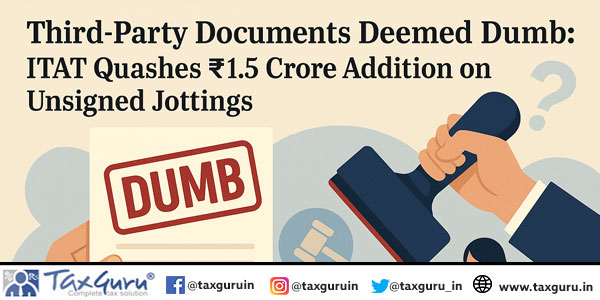
Income Tax
Third-Party Documents Deemed Dumb: ITAT Quashes ₹1.5 Crore Addition on Unsigned Jottings
Income Tax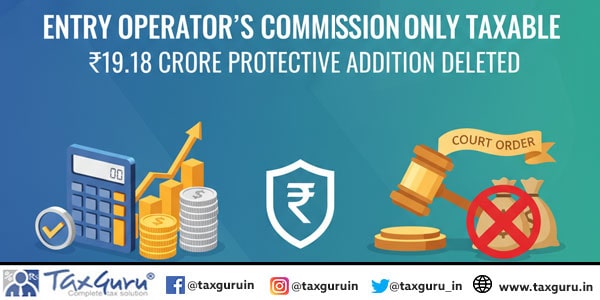
Income Tax
Entry Operator’s Commission Only Taxable, ₹19.18 Crore Protective Addition Deleted
Income Tax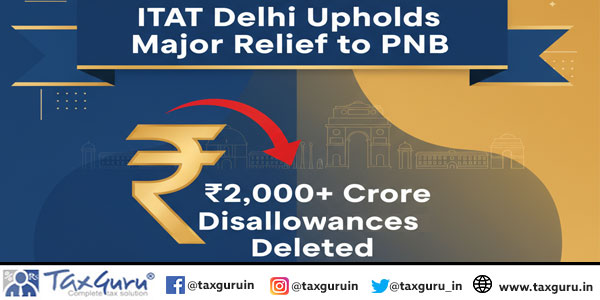
Income Tax
ITAT Delhi Upholds Major Relief to PNB – ₹2,000+ Crore Disallowances Deleted
Corporate Law
Corporate Law
Minor Can Repudiate Guardian’s Unauthorized Sale by Conduct: SC
Goods and Services Tax
Goods and Services Tax
Allahabad HC Stays ₹110 Cr GST Demand on Dabur Hajmola Candy
Income Tax
Income Tax
CBDT issues Income Tax Search & Seizure Manual 2025
Income Tax
Income Tax
ITAT Delhi Deletes 25% “Bogus Sales” Disallowance; Section 37 Not Applicable to Sales
Goods and Services Tax
Goods and Services Tax
GST Paid During Search Not Voluntary; Refund with Interest Upheld: Karnataka HC
Goods and Services Tax
Goods and Services Tax
Service Apartments are Commercial for GST: AAR West Bengal
Goods and Services Tax
Goods and Services Tax
GST Credit Ledger Cannot Be Blocked Without Recorded Reasons: Bombay HC
Income Tax
Income Tax
No prosecution u/s 276C for delayed tax payment without wilful evasion: Madras HC
Corporate Law
Corporate Law

