
Type: Featured
10,042 articlesGoods and Services Tax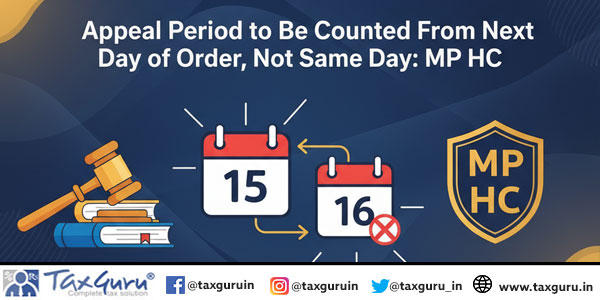
Goods and Services Tax
Appeal Period to Be Counted from Next Day of Order, Not Same Day: MP HC
Corporate Law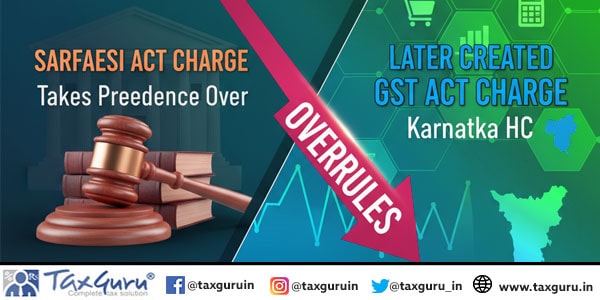
Corporate Law
SARFAESI Act Charge Takes Precedence Over Later created GST Act Charge: Karnataka HC
Goods and Services Tax
Goods and Services Tax
Delhi HC Directs Filing Appeal Against Fraudulent Input Tax Credit Claims
Goods and Services Tax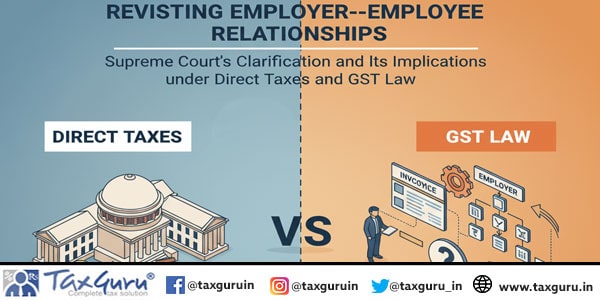
Goods and Services Tax
Revisiting Employer–Employee Relationships: Supreme Court’s Clarification and Its Implications under Direct Taxes and GST Law
Goods and Services Tax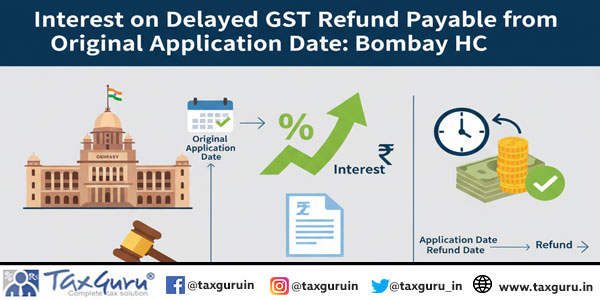
Goods and Services Tax
Interest on Delayed GST Refund Payable from Original Application Date: Bombay HC
Goods and Services Tax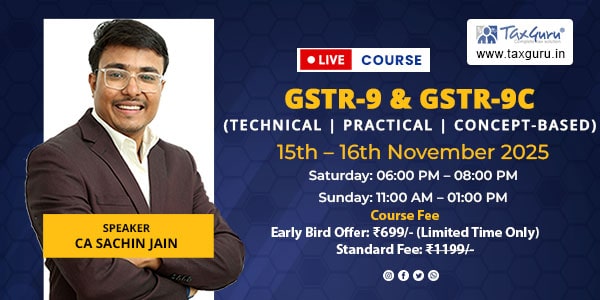
Goods and Services Tax
Live Course On GSTR-9 & GSTR-9C for FY 2024-25
Goods and Services Tax
Goods and Services Tax
GSTR-9 and GSTR-9C: Step-by-Step Guide to GST Annual Compliance
Corporate Law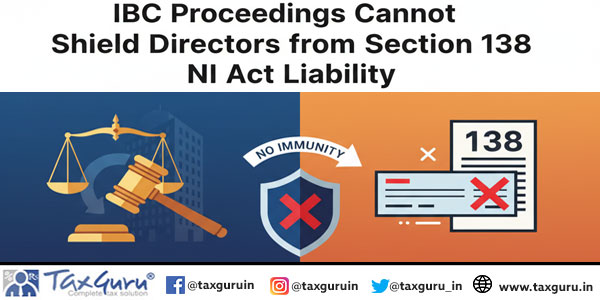
Corporate Law
IBC Proceedings Cannot Shield Directors from Section 138 NI Act Liability
Income Tax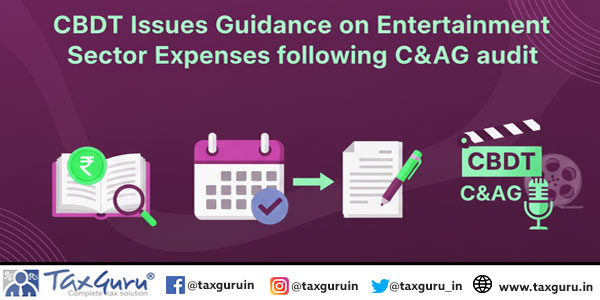
Income Tax
CBDT Issues Guidance on Entertainment Sector Expenses following C&AG audit
Goods and Services Tax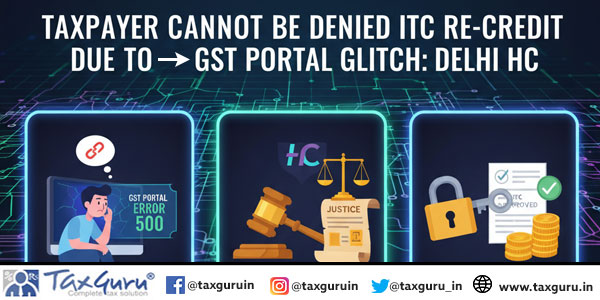
Goods and Services Tax
Taxpayer Cannot Be Denied ITC Re-Credit Due to GST Portal Glitch: Delhi HC
Goods and Services Tax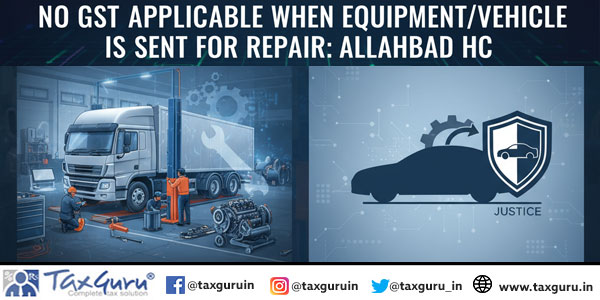
Goods and Services Tax
No GST Applicable When Equipment/Vehicle Is Sent for Repair: Allahabad HC
Income Tax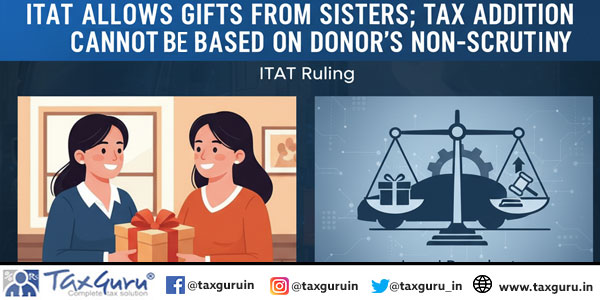
Income Tax
ITAT Allows Gifts from Sisters; Tax Addition Cannot Be Based on Donor’s Non-Scrutiny
Income Tax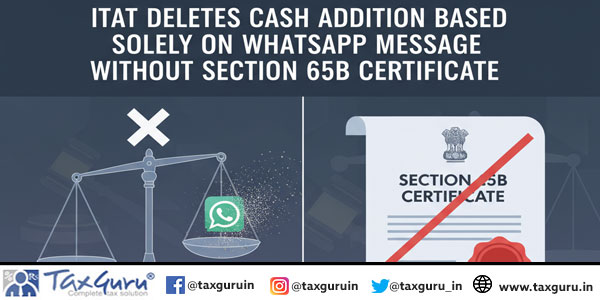
Income Tax
ITAT Deletes Cash Addition Based Solely on WhatsApp Message Without Section 65B Certificate
Income Tax
Income Tax

