
Type: Featured
10,042 articlesIncome Tax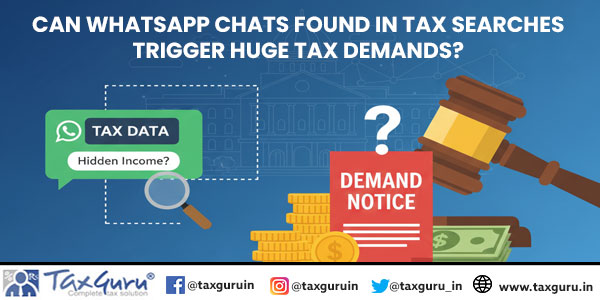
Income Tax
Can WhatsApp Chats Found in Tax Searches Trigger Huge Tax Demands?
Income Tax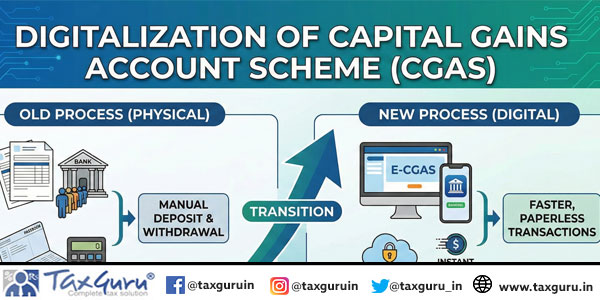
Income Tax
Digitalization of Capital Gains Account Scheme (CGAS) !!!
Company Law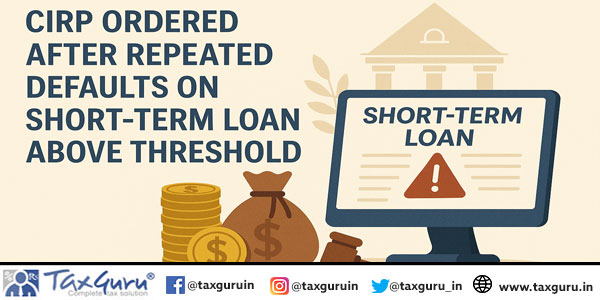
Company Law
CIRP Ordered After Repeated Defaults on Short-Term Loan Above Threshold
Corporate Law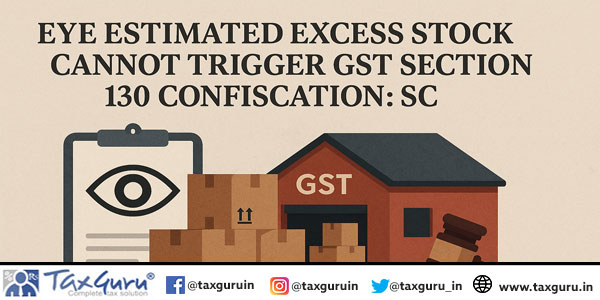
Corporate Law
Eye Estimated Excess Stock Cannot Trigger GST Section 130 Confiscation: SC
Income Tax
Income Tax
ITR Reporting for Joint Foreign Trading Accounts: Who Must Disclose & Why
Income Tax
Income Tax
Mere NMS-triggered email alert without basis cannot justify reassessment: ITAT Delhi
Income Tax
Income Tax
Reassessment Orders Quashed for Notices Issued to Deceased Assessee
Income Tax
Income Tax
Section 68 Cannot Apply to Household Support from Husband: ITAT Hyderabad
Goods and Services Tax
Goods and Services Tax
Important Changes in GSTR-9 for FY 2024-25 You Must Prepare For
Income Tax
Income Tax
Pre-Deposit Must Include Protest Payments: SC Clarifies MVAT Rule
Income Tax
Income Tax
Rebate Allowed as No Statutory Exclusion in Section 87A for LTCG: ITAT Chennai
Goods and Services Tax
Goods and Services Tax
Section 16(6) Doesn’t Create Right to Restore GST Registration solely for ITC Claims: Kerala HC
Income Tax
Income Tax
ITAT Quashes Reassessment for Penny Stock Loss Lacking Direct Nexus
Corporate Law
Corporate Law

