
Type: Featured
10,044 articlesGoods and Services Tax
Goods and Services Tax
Cross-LOC Trade With PoK Is Intra-State Trade As PoK Is Part Of India: J&K&L HC
Goods and Services Tax
Goods and Services Tax
Important Clarification on Disclosure of ITC Reclaimed in FY 25–26 of FY 24-25
Company Law
Company Law
Penalty Imposed for Delay in Issuing Bonus Shares in Demat Form
Company Law
Company Law
Small Company Thresholds Raised: MCA Expands Capital & Turnover Limits
Goods and Services Tax
Goods and Services Tax
Allahabad HC Quashes Penalty for Expired E-Way Bill Due to Driver Illness
Goods and Services Tax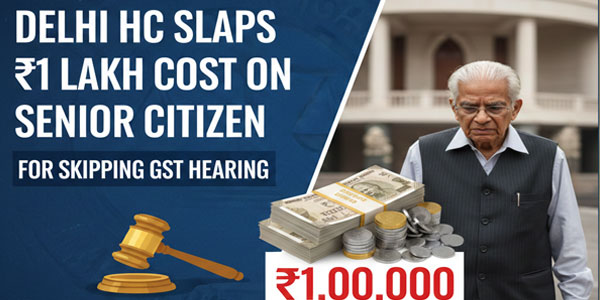
Goods and Services Tax
Delhi HC Slaps ₹1 Lakh Cost on Senior Citizen for Skipping GST Hearing
Income Tax![TDS on Payment in Respect of Life Insurance Policy [Section 194DA]](https://taxguru.in/wp-content/uploads/2025/11/TDS-on-Payment-in-Respect-of-Life-Insurance-Policy-Section-194DA.jpg)
Income Tax
TDS on Payment in Respect of Life Insurance Policy [Section 194DA]
CA, CS, CMA
CA, CS, CMA
Analysis of Notifications and Circulars for Week ending 23rd November 2025
Income Tax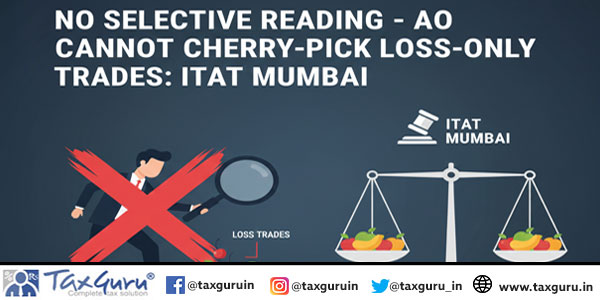
Income Tax
No Selective Reading – AO Cannot Cherry-Pick Loss-Only Trades: ITAT Mumbai
Income Tax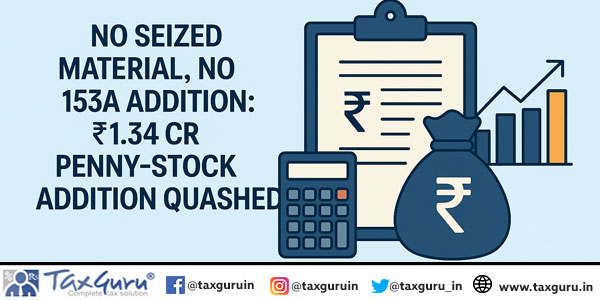
Income Tax
No Seized Material, No 153A Addition: ₹1.34 Cr Penny-Stock Addition Quashed
Income Tax
Income Tax
Unexplained Partner Capital Cannot Be Added to Firm’s Income: ITAT Hyderabad
Income Tax
Income Tax
ITAT Invalidates Consolidated Section 153D Approval for 28 Assessees
Fema / RBI
Fema / RBI
Traveling to Nepal or Bhutan? RBI Limits Currency You Can Carry
Custom Duty
Custom Duty

