
Type: Featured
10,045 articlesIncome Tax
Income Tax
Section 54F Deduction Allowed as Under-Construction Villas are not Residential Houses
Goods and Services Tax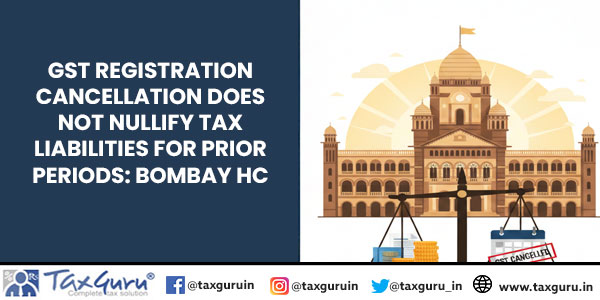
Goods and Services Tax
GST Registration Cancellation does not nullify tax liabilities for prior periods: Bombay HC
Excise Duty
Excise Duty
Central Excise Act 2025: Reshapes Tobacco Taxation Landscape
Income Tax
Income Tax
ITAT Rejects Business Parlance Test in Section 56 Application
Income Tax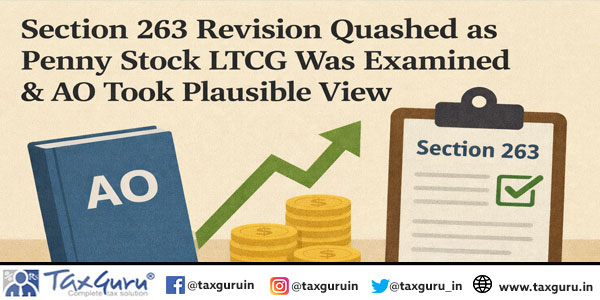
Income Tax
Section 263 Revision Quashed as Penny Stock LTCG Was Examined & AO Took Plausible View
Goods and Services Tax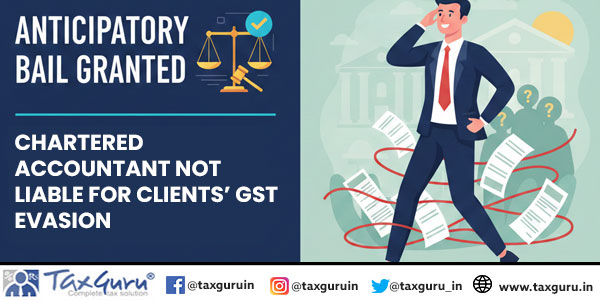
Goods and Services Tax
Anticipatory Bail Granted as Chartered Accountant Not Liable for Clients’ GST Evasion
Goods and Services Tax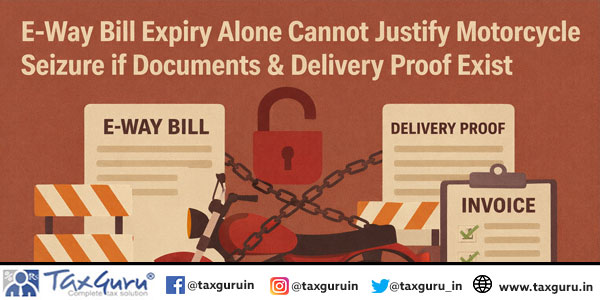
Goods and Services Tax
E-Way Bill Expiry Alone Cannot Justify Motorcycle Seizure if Documents & Delivery Proof Exist
Income Tax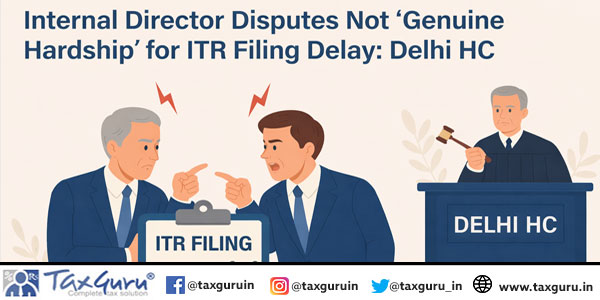
Income Tax
Internal Director Disputes Not ‘Genuine Hardship’ for ITR Filing Delay: Delhi HC
Custom Duty
Custom Duty
Titanium Dioxide for Skin-Care & Toilet Soaps Not Liable to Anti-Dumping Duty: CAAR
CA, CS, CMA
CA, CS, CMA
Analysis of Notifications and Circulars for Week ending 7th December 2025
Income Tax
Income Tax
Applicability of Section 269SS of Income Tax Act, 1961 to Director’s Current Account Transactions
Income Tax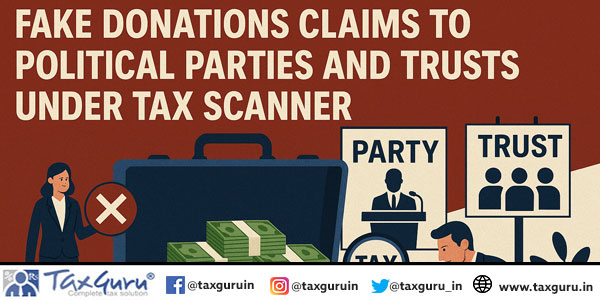
Income Tax
Fake donations claims to political parties and trusts Under Tax Scanner
Company Law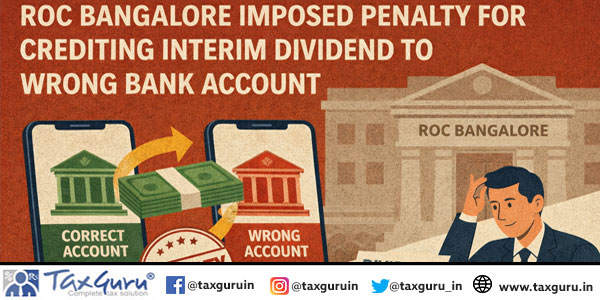
Company Law
ROC Bangalore Imposed Penalty for Crediting Interim Dividend to Wrong Bank Account
Company Law
Company Law

