
Type: Featured
10,037 articlesGoods and Services Tax
Goods and Services Tax
Representation on issues faced while filing of Appeal on GSTAT Portal
Income Tax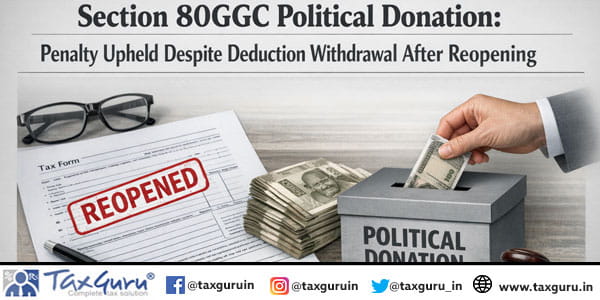
Income Tax
Section 80GGC Political Donation: Penalty Upheld despite Deduction Withdrawal After Reopening
Income Tax
Income Tax
Intra-Group Loan Restructuring & Partner Account Reclassification Not Bogus Credits
Goods and Services Tax
Goods and Services Tax
Advisory on Interest Collection and Related Enhancements in GSTR-3B
Income Tax
Income Tax
WhatsApp chat retrieved from third party not sufficient for addition: ITAT Ahmedabad
Finance
Finance
Trump’s Board of Peace and “Parallel UN” Proposal
Income Tax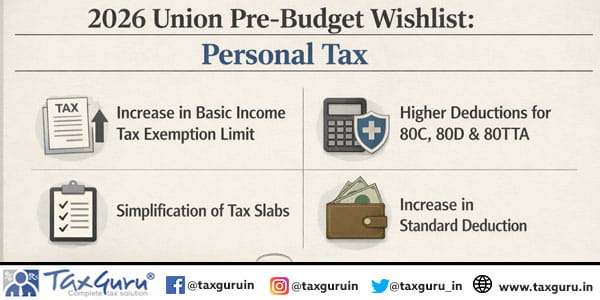
Income Tax
2026 Union Pre-Budget Wishlist: Personal Tax
Corporate Law
Corporate Law
FAQs on India And European Union Free Trade Agreement
Goods and Services Tax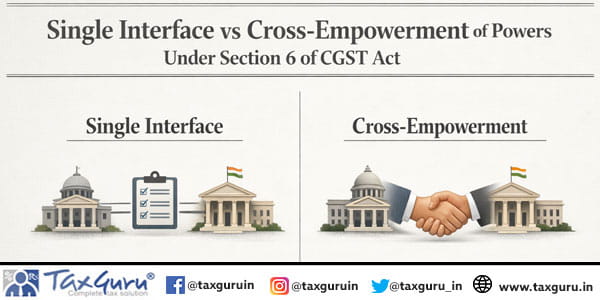
Goods and Services Tax
Single Interface vs Cross-Empowerment of Powers Under Section 6 of CGST Act
Corporate Law
Corporate Law
Accused’s Intention, Not Deceased’s Feelings, Determines Abetment of Suicide: Kerala HC
Company Law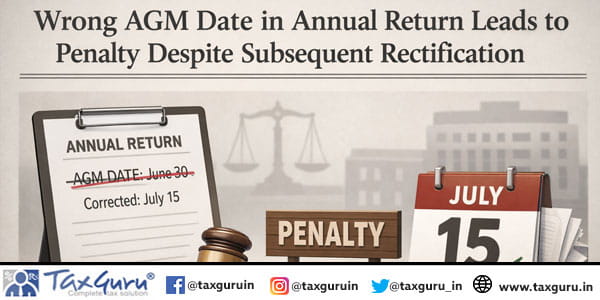
Company Law
Wrong AGM Date in Annual Return Leads to Penalty Despite Subsequent Rectification
Income Tax
Income Tax
No TDS on Stockist Discounts, ESOP Grants & MSME Interest: ITAT Mumbai
Income Tax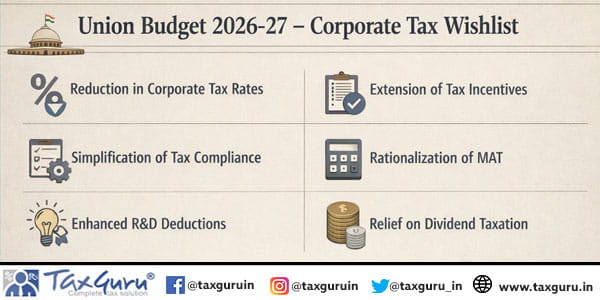
Income Tax
Union Budget 2026-27 – Corporate Tax Wishlist
Goods and Services Tax
Goods and Services Tax

