
Type: Featured
10,042 articlesCorporate Law
Corporate Law
Restaurants Cannot Levy LPG Charges as Separate Fees: CCPA
Income Tax
Income Tax
Co-op Society Can Deny Membership for ‘Refuge Area’ Flat: Bombay HC
Corporate Law
Corporate Law
Corporate Laws (Amendment) Bill, 2026: Detailed analysis
Income Tax
Income Tax
Last Date to Revise TDS Returns up to FY 2023–24 (Q1–Q3): 31 March 2026
Income Tax
Income Tax
CBDT Flags High-Risk Non-Filers Using Data Analytics for AY 2022-23
Income Tax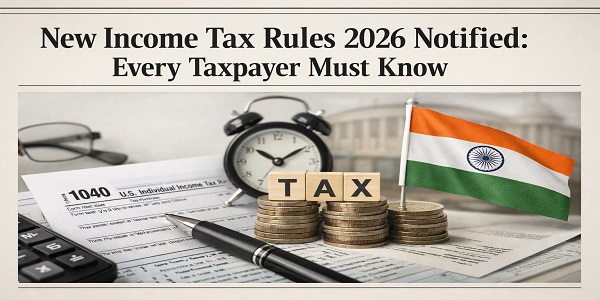
Income Tax
New Income Tax Rules 2026 Notified: Every Taxpayer Must Know
Income Tax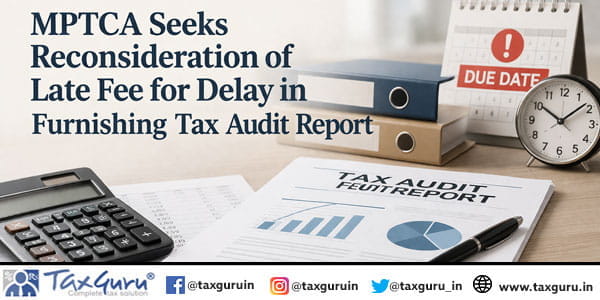
Income Tax
MPTCA Seeks Reconsideration of Late Fee for Delay in Furnishing Tax Audit Report
Fema / RBI
Fema / RBI
Free Live Webinar – Statutory Bank Branch Audit – Practical Approach
Income Tax
Income Tax
Income Tax Dept Flags Benami, Foreign Asset and TDS Cases for Action
Income Tax
Income Tax
Income Tax Dept Flags High-Risk Cases for Reassessment Under New Strategy
Income Tax
Income Tax
Income Tax Dept Flags High-Risk Transactions for Reassessment Action – Sections 148/148A
SEBI
SEBI
WhatsApp Orders Valid as Trade Evidence If Legally Verifiable: SEBI
Goods and Services Tax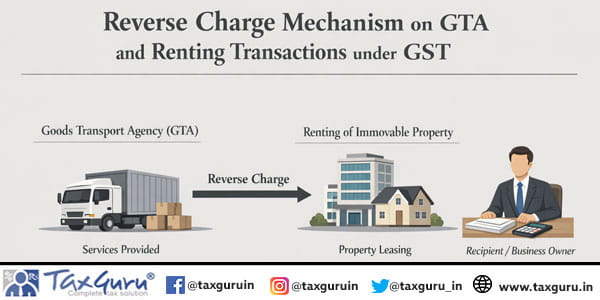
Goods and Services Tax
Reverse Charge Mechanism on GTA and Renting Transactions under GST
Income Tax
Income Tax

