
Type: Featured
10,042 articlesIncome Tax
Income Tax
I Sold Listed Shares & Made INR 3 Lakh Profit – How Is LTCG Taxed Now?
Company Law
Company Law
MCA Extends DPT-3 Late Fee Waiver Till 31st July 2026 Due to Data Center Fire
Income Tax
Income Tax
FAQs on Income Tax e-Verification Scheme 2021
CA, CS, CMA
CA, CS, CMA
CA Final May 2026: Pass Percentage, Toppers and Analysis
CA, CS, CMA
CA, CS, CMA
ICAI Clarifies No Exam Data Breach as Portal Was Only for Examiner Training
Income Tax
Income Tax
Can Capital Gains Exemption Be Claimed If House Is Bought in Spouse’s/Family Members Name?
Corporate Law
Corporate Law
Google’s use of trademarks as keywords constituted use in advertising under TM Act
Corporate Law
Corporate Law
ChatGPT Cannot Be Compelled to Display Business Links: Calcutta HC
Corporate Law
Corporate Law
DPDP Act and Constitutional Limits on Platform Regulation & Telegram APP Ban
Income Tax
Income Tax
Guide to HRA Exemption Claims under Scrutiny by Income Tax Authorities
Goods and Services Tax
Goods and Services Tax
5 GST Mistakes That Quietly Cost Indian Businesses ₹50,000 or More
Company Law
Company Law
ICSI Seeks MCA Relief Due to Portal Disruptions After Data Centre Fire
Income Tax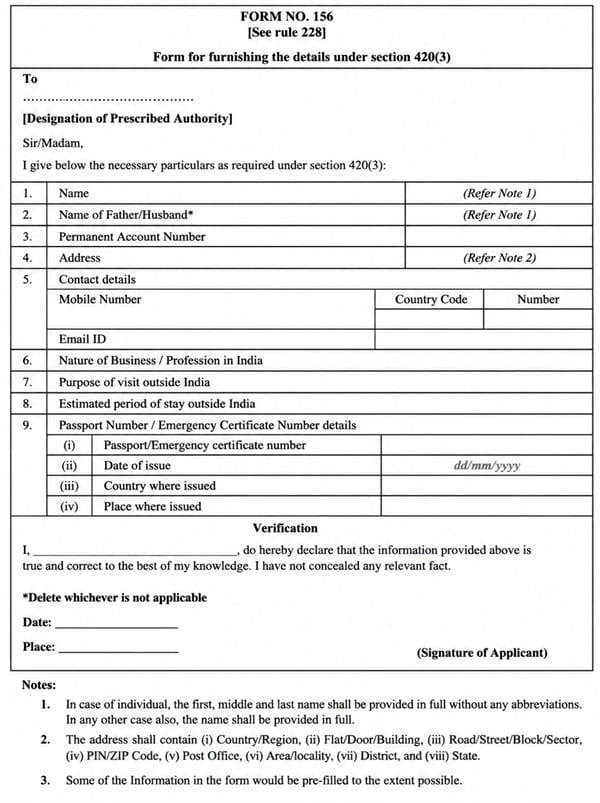
Income Tax
New Income Tax Form 156 Mandatory for Foreign Travel
SEBI
SEBI

