
#Section 144
Log in to FollowLatest Section 144 updates, provisions, case laws, compliance requirements, tax implications and expert analysis under Income-tax law on TaxGuru.
Income Tax
Income Tax
Section 148 Reassessment Invalid Where Section 153A Applied to Section 132A Requisition: ITAT Visakhapatnam
Income Tax
Income Tax
ITAT Nagpur Remands Reassessment Dispute to CIT(A) for Adjudication
Income Tax
Income Tax
CEO Change and Mismanagement Sufficient Cause for 125-Day Delay: ITAT Bangalore
Income Tax
Income Tax
ITAT Kolkata Remands Cash Deposit Addition for De Novo Assessment
Income Tax
Income Tax
ITAT Mumbai Restores Deceased Assessee’s Reassessment Appeal for Jurisdictional Adjudication
Income Tax
Income Tax
ITAT Bangalore Restores Assessment of 66-Year-Old Blind Taxpayer for Fresh Adjudication
Income Tax
Income Tax
ITAT Agra Directs ₹4.06 Lakh TDS Credit Where Co-owners Did Not Claim Their Shares
Income Tax
Income Tax
ITAT Visakhapatnam Deletes ₹28 Lakh Section 68 Addition on Bank Deposits
Income Tax
Income Tax
Jabalpur ITAT Restores Salary Addition Case for Fresh Adjudication
Income Tax
Income Tax
Jaipur ITAT Deletes FDR, Cash Redeposit Additions; Rejects Arbitrary Estimates
Income Tax
Income Tax
ITAT Mumbai Deletes 153A Additions Without Incriminating Material
Income Tax
Income Tax
ITAT Chennai Allows 50% Professional Income Claim Under Section 44ADA
Income Tax
Income Tax
ITAT Chennai Condones 785-Day Delay and Restores Assessment for Fresh Adjudication
Income Tax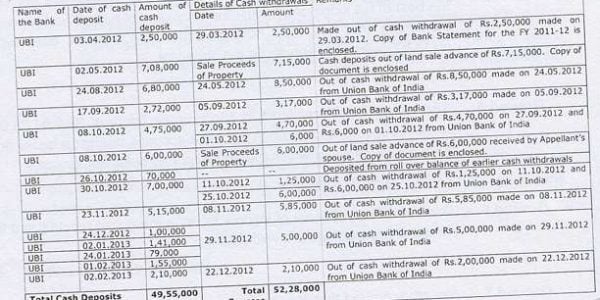
Income Tax
ITAT Dismisses Revenue Appeals, Upholds Cash Deposit Addition Deletion & Penalty Relief
Explore the latest Section 144 updates on TaxGuru, including relevant Income-tax Act provisions, rules, notifications, circulars, judicial decisions and compliance guidance. The coverage highlights important tax positions, procedural requirements, assessments, deductions, penalties and litigation developments to help taxpayers and professionals understand the practical implications of changes in income-tax law.

