
Courts: NCLT
Read latest NCLT judgments and orders on IBC, insolvency, liquidation, company law, mergers, oppression, mismanagement and corporate disputes.
Corporate Law
Corporate Law
NCLT Mumbai Admits Section 9 CIRP Petition for Unpaid Operational Debt
Corporate Law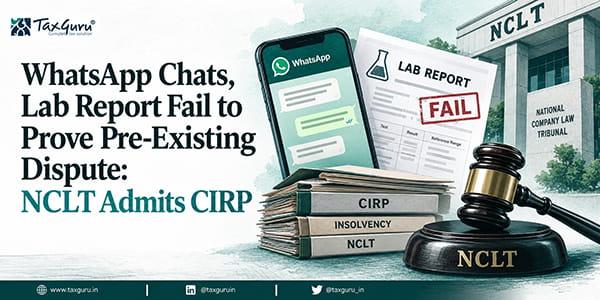
Corporate Law
WhatsApp Chats, Lab Report Fail to Prove Pre-Existing Dispute: NCLT Admits CIRP
Corporate Law
Corporate Law
NCLT Guwahati Defers Company Restoration Until Pending NCLAT Appeal Attains Finality
Corporate Law
Corporate Law
NCLT Mumbai Admits Section 7 CIRP Against Corporate Guarantor for Default
Corporate Law
Corporate Law
NCLT Ahmedabad Admits CIRP Against Mercury Trade Links for Rs. 2.70 Crore Operational Debt
Corporate Law
Corporate Law
NCLT stays repayment plan approval as no majority view emerges in personal guarantor case
Corporate Law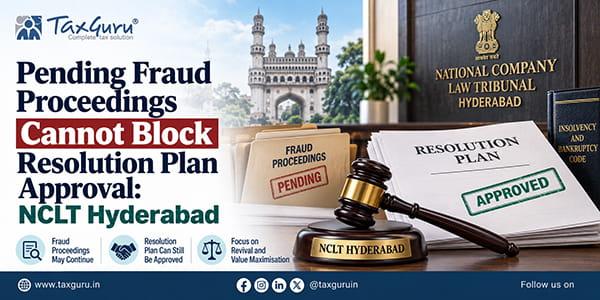
Corporate Law
Pending Fraud Proceedings Cannot Block Resolution Plan Approval: NCLT Hyderabad
Corporate Law
Corporate Law
NCLT Guwahati Admits UCO Bank Section 7 Petition Against RMD Hotels
Corporate Law
Corporate Law
NCLT Jaipur Admits Section 9 CIRP for Unpaid Polymer Supply Dues
Corporate Law
Corporate Law
NCLT Admits CIRP Against Zebyte on Finance Lease Financial Debt Finding
Company Law
Company Law
NCLT Indore approves HEG composite demerger and Bhilwara Energy amalgamation
Company Law
Company Law
NCLT Mumbai Dispenses Stakeholder Meetings for Tata Motors Group Amalgamation Scheme
Company Law
Company Law
Essar Power gets Scheme approval for brand demerger & capital restructuring: NCLT Ahmedabad
Corporate Law
Corporate Law
Corporate Guarantee Continues Despite Demerger & Additional Security: NCLT Mumbai
NCLT brings together judgments and orders of the National Company Law Tribunal published on TaxGuru. Decisions may involve corporate insolvency resolution, liquidation, applications under the Insolvency and Bankruptcy Code, mergers and amalgamations, oppression and mismanagement, restoration of companies and other proceedings under company and insolvency laws. Companies, creditors, insolvency professionals, Chartered Accountants, Company Secretaries and advocates can use this archive to research NCLT decisions and follow developments affecting corporate insolvency and company-law proceedings.

