
Courts: NCLT
Read latest NCLT judgments and orders on IBC, insolvency, liquidation, company law, mergers, oppression, mismanagement and corporate disputes.
Corporate Law
Corporate Law
Earlier Premature Petition Does Not Bar Fresh Insolvency Filing: NCLT Amaravati
Company Law
Company Law
Routine Service Complaints Not Pre-Existing Dispute: NCLT Kochi Admits CIRP
Corporate Law
Corporate Law
Lack of Bona Fides Defeats Corporate Applicant’s Section 10 CIRP Plea: NCLT Allahabad
Corporate Law
Corporate Law
Liquidity Constraints Cannot Defeat Admitted Operational Debt: NCLT Ahmedabad Orders CIRP
Company Law
Company Law
Mudra Denim Ordered Into Liquidation After 99.89% CoC Approval: NCLT Mumbai
Company Law
Company Law
NCLT Bengaluru Refuses Arbitration Reference in Oppression and Mismanagement Petition
Company Law
Company Law
Landmark Cars: NCLT Dispenses Meetings for Holding Company-Subsidiary Amalgamation Scheme
Company Law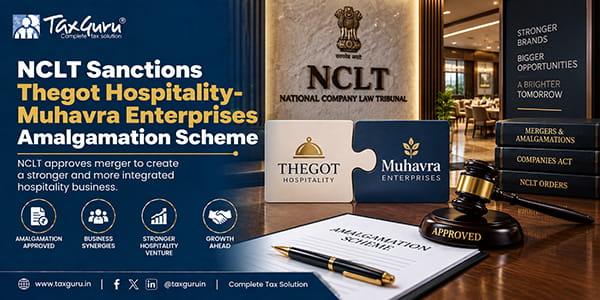
Company Law
NCLT Sanctions Thegot Hospitality-Muhavra Enterprises Amalgamation Scheme
Company Law
Company Law
NCLT Ahmedabad Allows Inkia Inks–True Colors Amalgamation Application
Company Law
Company Law
NCLT Ahmedabad Sanctions Silverleaf–Share India Amalgamation from 1 October 2023
Corporate Law
Corporate Law
Approved Resolution Plan Cannot Be Indefinitely Deferred: NCLT Orders Liquidation
Company Law
Company Law
NCLT Sanctions K M Sugar Mills Demerger After Addressing Income Tax Objections
Company Law
Company Law
Section 244 Challenge Limited to One Respondent Cannot Dismiss Entire Company Petition: NCLT Guwahati
Company Law
Company Law
NCLT Mumbai Dispenses Stakeholder Meetings for Siemens Rail Automation Amalgamation
NCLT brings together judgments and orders of the National Company Law Tribunal published on TaxGuru. Decisions may involve corporate insolvency resolution, liquidation, applications under the Insolvency and Bankruptcy Code, mergers and amalgamations, oppression and mismanagement, restoration of companies and other proceedings under company and insolvency laws. Companies, creditors, insolvency professionals, Chartered Accountants, Company Secretaries and advocates can use this archive to research NCLT decisions and follow developments affecting corporate insolvency and company-law proceedings.

