
Courts: All High Courts
Read latest High Court judgments and orders on Income Tax, GST, Customs, Company Law and other taxation, corporate, commercial and regulatory matters.
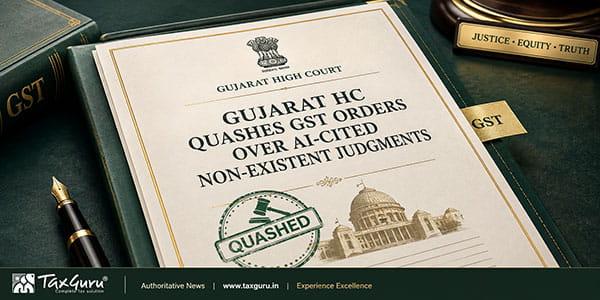
Gujarat HC Quashes GST Orders Over AI-Cited Non-Existent Judgments

Benami Proceedings Need Only Prima Facie Satisfaction at Preliminary Stage: Madras HC

Gujarat HC Quashes Excise SCNs for Failure of Pre-SCN Consultation

Bombay HC Stays Customs Order Contravening Release Directions

Madras HC Dismisses GST Appeal, Upholds Rectification of Bona Fide GSTR-1 Errors
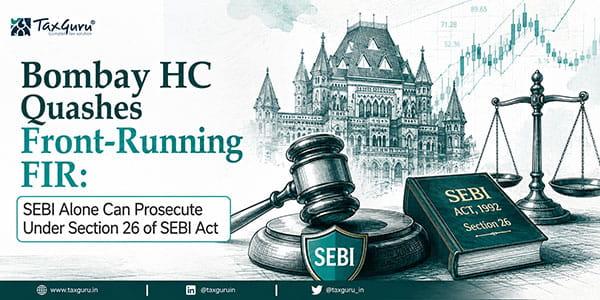
Bombay HC Quashes Front-Running FIR: SEBI Alone Can Prosecute Under Section 26 of SEBI Act

Karnataka HC Upholds 2013 Act Compensation and Tax Exemption for KIADB Land Acquisition

Steam as Power Eligible for Section 80IA(4) Benefit: Gujarat HC
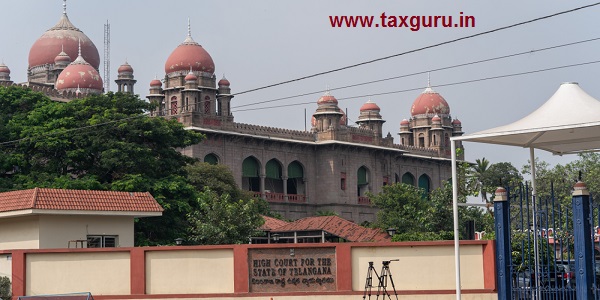
Telangana HC Allows Appeal Against GST SPL-07 Order With Delay Condonation Plea
Telangana HC Revives GST Appeal After 10% Pre-Deposit Made Before Dismissal

Legal Possession Sufficient for GST Registration Despite Landlord Dispute: Kerala HC

Shah Commission-Based Reassessment Notices Quashed by Karnataka High Court
Buying Software Is Not Buying Its Copyright: Karnataka HC Rejects Revenue’s “Royalty” Argument

Telangana HCt Allows Fresh GST Revocation Application After Bank Details Omission
All High Courts brings together judgments and orders of High Courts across India published on TaxGuru. The archive covers Income Tax, GST, Customs, Company Law, Corporate Law, insolvency, commercial laws and other taxation and regulatory matters. Readers can research important questions of law, constitutional challenges, writ petitions, statutory appeals and other proceedings decided by different High Courts. Chartered Accountants, advocates, tax professionals, businesses and legal researchers can use this consolidated archive to follow High Court jurisprudence across India. Separate High Court categories are available for court-specific judgments and orders.

