
Courts: All High Courts
Read latest High Court judgments and orders on Income Tax, GST, Customs, Company Law and other taxation, corporate, commercial and regulatory matters.

Mere Shah Commission Opinion Cannot Sustain Reassessment: Allahabad HC

Orissa HC Quashes GST Order Communicated Beyond Seven-Day Section 129(3) Limit
Madras HC Sets Aside GST Detention Order Passed Beyond Seven-Day Limit

Madras HC Sets Aside Section 234E TDS Late Fee for Pre-June 2015 Period

Madras HC Sets Aside Section 234E Late Fee for Pre-June 2015 TDS Processing

Telangana HC Grants Two Weeks to Appeal GST Order, Stays Coercive Recovery

Telangana HC Sets Aside GST SCN & Order for Section 73(2) Timeline Violation
Telangana HC Allows GST Rectification for GSTR-3B & GSTR-8 Turnover Variation

New Charitable Trust Need Not Prove Completed Activities for Section 12AA Registration: Calcutta HC

Madras HC Sets Aside Reassessment Orders Over Section 151 Approval & Limitation

Delhi HC Quashes Assessment for Failure to Issue Timely Section 143(2) Notice
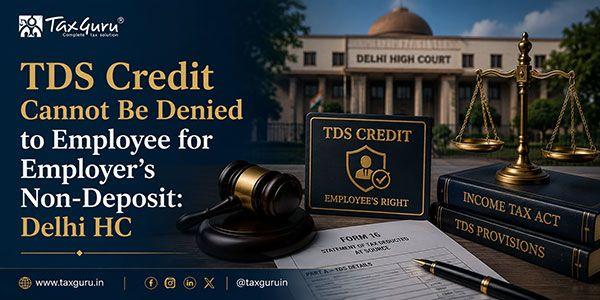
TDS Credit Cannot Be Denied to Employee for Employer’s Non-Deposit: Delhi HC

Entire Income Tax Refund Cannot Be Withheld Against Small Demand: Delhi HC

Madras High Court Sets Aside Section 234E TDS Late Fee Demands for Pre-June 2015 Period
All High Courts brings together judgments and orders of High Courts across India published on TaxGuru. The archive covers Income Tax, GST, Customs, Company Law, Corporate Law, insolvency, commercial laws and other taxation and regulatory matters. Readers can research important questions of law, constitutional challenges, writ petitions, statutory appeals and other proceedings decided by different High Courts. Chartered Accountants, advocates, tax professionals, businesses and legal researchers can use this consolidated archive to follow High Court jurisprudence across India. Separate High Court categories are available for court-specific judgments and orders.

