
Courts: All High Courts
Read latest High Court judgments and orders on Income Tax, GST, Customs, Company Law and other taxation, corporate, commercial and regulatory matters.

Rajasthan High Court Quashes Shree Cement Reassessment Notice

Arbitration Law: Non-Compete Clause Ends with Contract Term – Delhi HC

Bombay HC Condoned 27-Day Delay in Filing Form 10B

Gujarat HC Quashes Time-Barred Section 148 Reassessment Notices
Deletion of additions u/s 68 was justified as assessee proved creditworthiness of lenders
No Addition u/s 68 If Loans Repaid Within Same Year: Gujarat HC

No limitation period applicable on refund of IGST on Ocean Freight
Reassessment u/s. 148 based on survey operations without tangible material cannot be sustained

Refund of GST Pre-Deposit Cannot Be Denied on Limitation Grounds: Jharkhand HC
Rajasthan HC Examines Validity of Additional Director, DGGI’s Powers as ‘Proper Officer’ for SCN issuance

Allahabad HC Bars Remand in GST Registration Cancellation Appeals
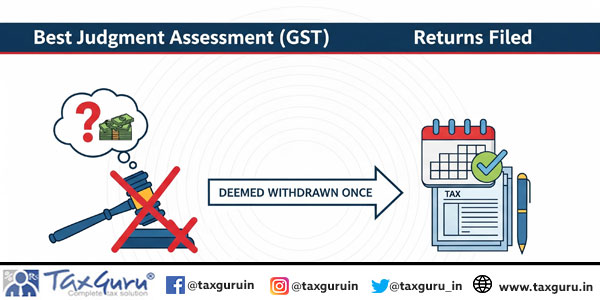
Best Judgment Assessment Under GST Deemed Withdrawn Once Returns Filed
No SCN in One Year – Delhi HC Orders Release of 84g Gold Chain Seized by Customs

GST Order passed against name of deceased despite intimating death was invalid
All High Courts brings together judgments and orders of High Courts across India published on TaxGuru. The archive covers Income Tax, GST, Customs, Company Law, Corporate Law, insolvency, commercial laws and other taxation and regulatory matters. Readers can research important questions of law, constitutional challenges, writ petitions, statutory appeals and other proceedings decided by different High Courts. Chartered Accountants, advocates, tax professionals, businesses and legal researchers can use this consolidated archive to follow High Court jurisprudence across India. Separate High Court categories are available for court-specific judgments and orders.

