
Courts: All High Courts
Read latest High Court judgments and orders on Income Tax, GST, Customs, Company Law and other taxation, corporate, commercial and regulatory matters.
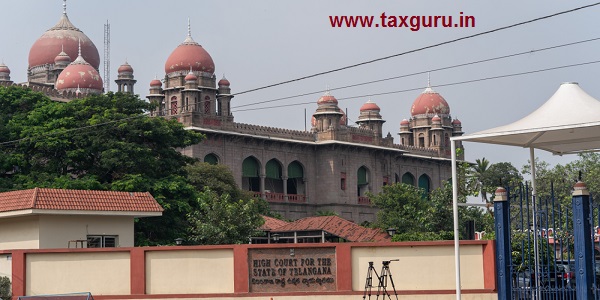
Section 148 notice quashed for not following mandatory faceless procedure

Madras HC Quashes Section 148/148A Notices Issued by Jurisdictional Officer

Unproved Purchases Require Full Disallowance Under Section 69C: Bombay HC

Section 148 Notice Valid Despite Non-Faceless Issuance in Search Case: Gujarat HC

Bombay HC Condones 1,257-Day Delay in Form 10B Due to Bona Fide Professional Lapse
Bombay HC Condones 2732-day Delay in Electronic Filing of Form 10B

Support service in India to foreign universities qualify as export of services
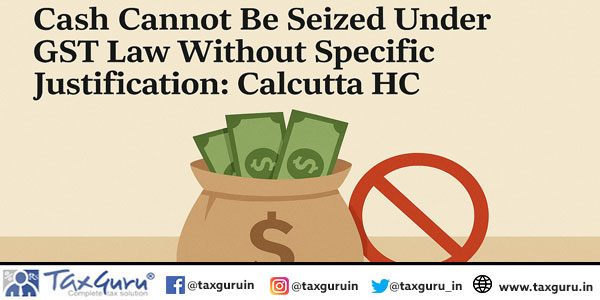
Cash Cannot Be Seized Under GST Law Without Specific Justification: Calcutta HC

Section 148A Notice Less Than 7 Days Is Void: Reassessment Quashed
Hyper-Technical Rejection of Form 10B Set Aside by High Court
Telangana HC Set Aside Block Assessment for Lack of Incriminating Material
Assessment Cannot Be Remanded Without Deciding Validity of Section 144 Order: Delhi HC

GST Demand Order Set Aside for Exceeding Show Cause Notice Amount
Canned Pineapple Slices Not Exempt as Fresh Fruits under Bombay Sales Tax Act
All High Courts brings together judgments and orders of High Courts across India published on TaxGuru. The archive covers Income Tax, GST, Customs, Company Law, Corporate Law, insolvency, commercial laws and other taxation and regulatory matters. Readers can research important questions of law, constitutional challenges, writ petitions, statutory appeals and other proceedings decided by different High Courts. Chartered Accountants, advocates, tax professionals, businesses and legal researchers can use this consolidated archive to follow High Court jurisprudence across India. Separate High Court categories are available for court-specific judgments and orders.

