
Courts: All High Courts
Read latest High Court judgments and orders on Income Tax, GST, Customs, Company Law and other taxation, corporate, commercial and regulatory matters.

Machinery Replacement Cannot Be Treated as Revenue Without Proper Test: Madras HC

GST Appeal Allowed as GSTAT Becomes Functional, Limitation Relaxed Till 30th June 2026

Excise Appeal Dismissed as Time-Barred Due to Delay Beyond Statutory Section 35 Limit
GST Appeal Rejection Invalid as Bombay HC Allows Pre-Deposit Later to Ensure Merits Hearing
Typographical GSTIN Error Penalty Not Examined in Writ; Appeal Remedy Advised
Unexplained Credits Taxed u/s 68: No Business Income or 80-IB Deduction Without Proof
Bank Account Attachment Quashed as Six-Month Section 110(5) Limit Expired Without Extension
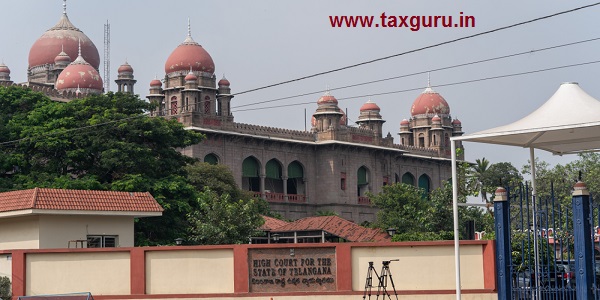
ITC Reversal Cannot Be Enforced Without Proceeding Against Defaulting Supplier: Telangana HC
Bail Granted Due to Lack of Evidence Linking Accused to Alleged GST Fraud: Allahabad HC
No Further Directions as GSTN Provides Temporary ID Mechanism: Allahabad HC

Chhattisgarh HC remanded SVLDRS Rejection Application Due to Unequal Treatment of Co-Noticees
Bail Granted in GST Fraud case as Applicant Not Named in FIR & No Direct Nexus Established
Bail Granted in ₹32.66 crore GST Fraud Case Due to Lack of Custodial Necessity

Ex-Parte GST Order Set Aside Due to Lack of Opportunity to Respond: Karnataka HC
All High Courts brings together judgments and orders of High Courts across India published on TaxGuru. The archive covers Income Tax, GST, Customs, Company Law, Corporate Law, insolvency, commercial laws and other taxation and regulatory matters. Readers can research important questions of law, constitutional challenges, writ petitions, statutory appeals and other proceedings decided by different High Courts. Chartered Accountants, advocates, tax professionals, businesses and legal researchers can use this consolidated archive to follow High Court jurisprudence across India. Separate High Court categories are available for court-specific judgments and orders.

