
Courts: All High Courts
Read latest High Court judgments and orders on Income Tax, GST, Customs, Company Law and other taxation, corporate, commercial and regulatory matters.

Rajasthan HC Grants Interim Relief as Cross-Examination of Key Witnesses Was Allegedly Denied

MP HC Dismisses GST Writ as Assessee Failed to Reply to Show Cause Notice

Delhi HC Allows Capital Gains Deduction for Settlement Payment Made to Clear Prior Sale Agreement

Settlement Proceedings do not invalidate assessments passed under Court’s interim liberty
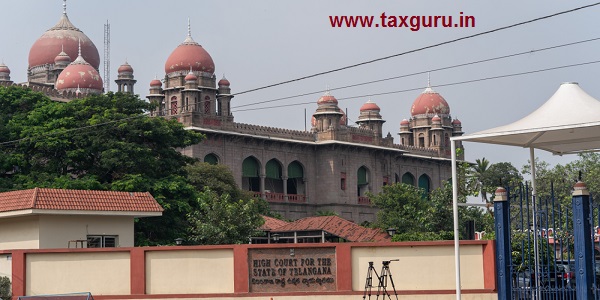
Telangana HC Upholds ITAT’s Rejection of Section 254(2) Rectification Plea
Telangana HC Grants GST Recovery Stay Until Tribunal Becomes Operational
Telangana HC Allows GST Taxpayer to Withdraw Writ Petition & File Appeal
Telangana HC Directs Registrar to Process Sale Deed or Pass Speaking Order
JAO Cannot Bypass Faceless Reassessment Framework: Telangana HC
Telangana HC Allows Manual Application for Revocation of Cancelled GST Registration
Benami Appeals Restoration Upheld as Tribunal Acted on SC’s Review Order

GST Registration Restoration Allowed subject to FIling of Pending Returns & Payment of Dues

Allahabad HC Grants Bail as Victim Fails to Support Allegations during Investigation

Madras HC Quashes GST Demand as Sale of Land Is Outside GST Purview
All High Courts brings together judgments and orders of High Courts across India published on TaxGuru. The archive covers Income Tax, GST, Customs, Company Law, Corporate Law, insolvency, commercial laws and other taxation and regulatory matters. Readers can research important questions of law, constitutional challenges, writ petitions, statutory appeals and other proceedings decided by different High Courts. Chartered Accountants, advocates, tax professionals, businesses and legal researchers can use this consolidated archive to follow High Court jurisprudence across India. Separate High Court categories are available for court-specific judgments and orders.

