
Courts: All High Courts
Read latest High Court judgments and orders on Income Tax, GST, Customs, Company Law and other taxation, corporate, commercial and regulatory matters.
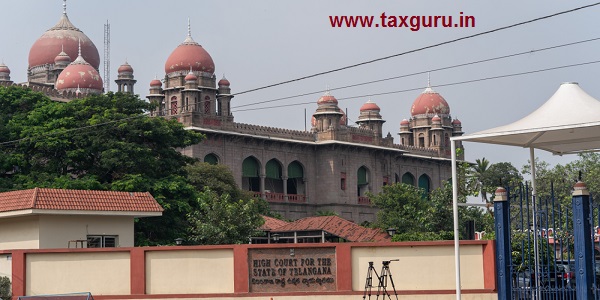
Telangana HC Dismissed Income Tax Writ Due to Alternate Remedy
Telangana HC Revives GST Appeal Rejected as Time-Barred
Non-Service Claim Revives Delayed GST Appeal: Telangana HC

Gauhati HC Quashes GST Cancellation as Order Contained No Reasons

No TDS Default Where Court Barred Deduction: Kerala HC

Allahabad HC Waives Penal Interest as Excise Dues Were Paid & Interim Protection Had Been Restored
Subsequent SC Judgment Cannot Reopen Final Decisions: Gauhati HC

Income Tax Notice Invalid for Failure to Follow Faceless Assessment Procedure

Telangana HC Quashes Reassessment Notices Due to Jurisdictional Defect in Proceedings
Allahabad HC Grants ₹25000 Per Day Compensation for Illegal Detention of Disabled Advocate
ITC Denial Based on GSTR-3B & GSTR-2A Mismatch Set Aside as Import Data Was Missing from GSTR-2A

Bombay HC Quashes Reassessment as Broken Period Interest Deduction Was Already Settled by SC

Orissa HC Orders Fresh Hearing After Finding Error in GST Appeal Limitation Calculation
Gauhati HC Quashes ITC Demand as Bona Fide Purchaser Cannot Be Penalised for Supplier’s Tax Default
All High Courts brings together judgments and orders of High Courts across India published on TaxGuru. The archive covers Income Tax, GST, Customs, Company Law, Corporate Law, insolvency, commercial laws and other taxation and regulatory matters. Readers can research important questions of law, constitutional challenges, writ petitions, statutory appeals and other proceedings decided by different High Courts. Chartered Accountants, advocates, tax professionals, businesses and legal researchers can use this consolidated archive to follow High Court jurisprudence across India. Separate High Court categories are available for court-specific judgments and orders.

