
Articles by this Author
Income Tax
Income Tax
Mandatory ITAT E-Filing from 1 October 2026: Right to an Effective Appeal
Income Tax
Income Tax
Decoding Form 10B or Form 10BB: Three Tests Determine Correct Audit Report
Income Tax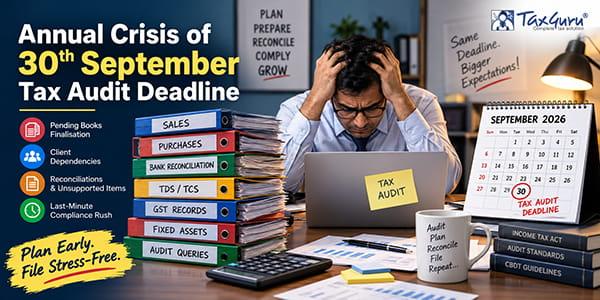
Income Tax
Annual Crisis of 30th September Tax Audit Deadline
CA, CS, CMA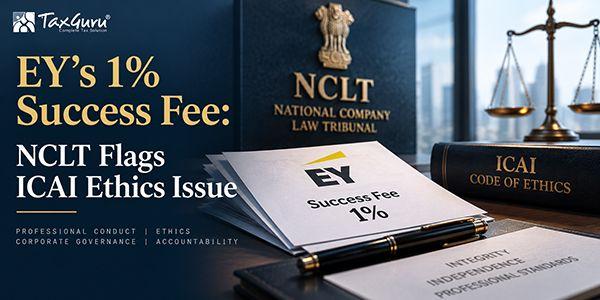
CA, CS, CMA
EY’s 1% Success Fee: NCLT Flags ICAI Ethics Issue
Corporate Law
Corporate Law
CA Firms and the ‘Peanut Earnings’ Trap: A Growth Roadmap
CA, CS, CMA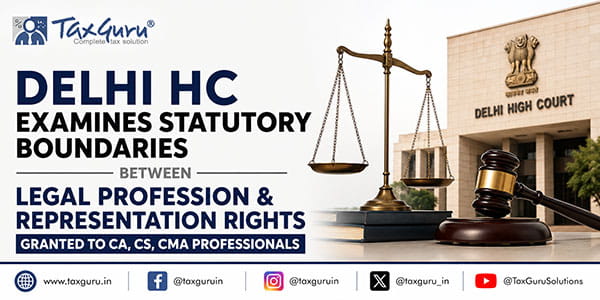
CA, CS, CMA
Delhi HC examines statutory boundaries between legal profession & representation rights granted to CA, CS, CMA professionals
Income Tax
Income Tax
Accumulated Income Cannot Be Transferred to Another Charitable Trust
CA, CS, CMA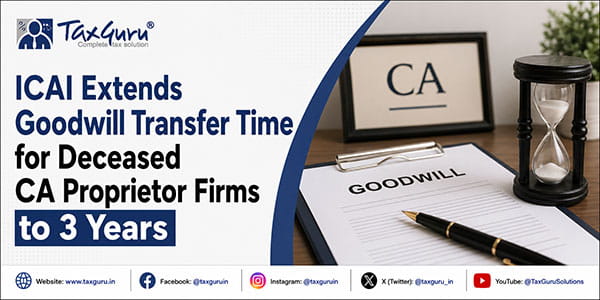
CA, CS, CMA
ICAI Extends Goodwill Transfer Time for Deceased CA Proprietor Firms to 3 Years
Income Tax
Income Tax
Agricultural Land Also Covered Under Section 56(2)(x): ITAT Surat
Income Tax
Income Tax
Entire Bogus Turnover Cannot Be Taxed as Income, Only 1% Commission Taxable: ITAT Mumbai
CA, CS, CMA
CA, CS, CMA
Audit Firms Face Regulatory Heat Over Proposed Cooling-Off Framework
Corporate Law
Corporate Law
SMC Controversy, Private Schools and Fine Line Between Regulation & Institutional Capture
Income Tax
Income Tax
Tax Exemption at Risk for Charitable Institutions Allegedly Operated Like Businesses
Income Tax
Income Tax

