

Articles by this Author
Income Tax
Income Tax
CIT cannot Cancel Section 12A Registration Before Section 12AA(3) Insertion: SC
Income Tax
Income Tax
Section 148 Notice Uploaded After Limitation Time-Barred: Calcutta HC
Income Tax
Income Tax
Gujarat HC Upholds Section 148 Reopening Based on Fresh Survey Material
Income Tax
Income Tax
Madras HC Upholds Additions Based on Corroborated Loose Sheets
Goods and Services Tax
Goods and Services Tax
Madras HC Remands Section 74 GST Assessment with 10% Pre-Deposit
Income Tax
Income Tax
Madras HC Upholds Jurisdictional AO’s Power to Issue Section 148A Notice
Income Tax
Income Tax
No Section 43 BMA Penalty for Bona Fide Schedule FA Non-Disclosure of Foreign ESOPs
Corporate Law
Corporate Law
Unexplained 2417-Day Delay Inexcusable, Recovery Appeal Dismissed: DRAT Chennai
Excise Duty
Excise Duty
Procedural Defects in ISD Documents Cannot Deny CENVAT Credit: CESTAT Kolkata
Service Tax
Service Tax
CESTAT Allows CENVAT Credit on Deposit Insurance Premium to Bank
Income Tax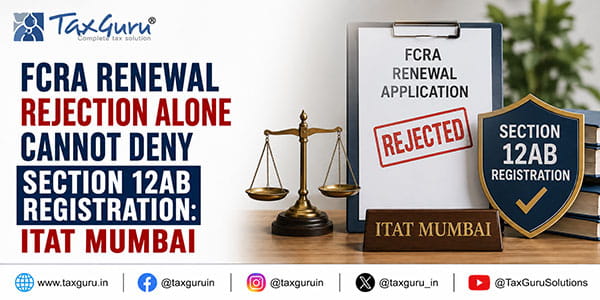
Income Tax
FCRA Renewal Rejection Alone Cannot Deny Section 12AB Registration: ITAT Mumbai
Income Tax
Income Tax
Insolvency Does Not Prevent Civil Arrest Without Statutory Protection: DRAT Chennai
Goods and Services Tax
Goods and Services Tax
Retrospective GST Cancellation Quashed for Lack of Reasons: HP HC
Income Tax
Income Tax

