

Articles by this Author
Income Tax
Income Tax
ITAT Cancels Reassessment Based Solely on Unverified ITBA Portal Information
Corporate Law
Corporate Law
Gujarat HC Dismisses Writ Against Arbitrator’s Interim Order for Lack of Exceptional Circumstances
Income Tax
Income Tax
ITAT Allows Section 10(38) LTCG Exemption on Sunrise Asian Shares
Corporate Law
Corporate Law
Writ Not Maintainable Against MSMED Award Due to Section 34 Remedy: SC
Income Tax
Income Tax
Bombay HC Quashes Reassessment Order Passed Without Draft Section 144C Order
Corporate Law
Corporate Law
MP HC Dismisses Writ Against Section 16 Rejection Despite Fraud Allegations in Arbitration
Corporate Law
Corporate Law
MP HC: Section 16 Arbitration Act Rejection Must Be Challenged Under Section 34, Not Writ
Corporate Law
Corporate Law
Delhi HC Dismisses Writ Against MSMED Arbitral Award Despite 75% Pre-Deposit Requirement
Income Tax
Income Tax
ITAT Deletes Section 69 Addition for Cash Deposits Explained by Bank Withdrawals
Income Tax
Income Tax
AO Cannot Reject Registered Valuer’s Report Without DVO Valuation: ITAT Delhi
Income Tax
Income Tax
ITAT Grants Section 54F Exemption for Two Adjoining Residential Houses Used as One
Income Tax
Income Tax
Bombay HC Quashes Reassessment Notice Issued Beyond 3 Years Without PCCIT Sanction
Income Tax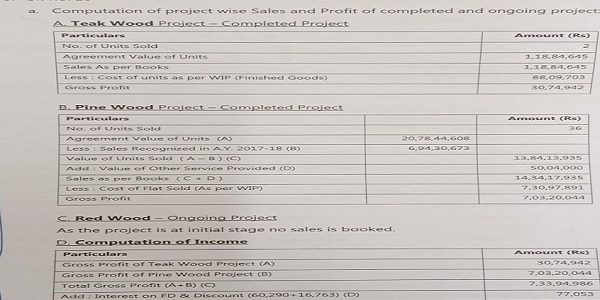
Income Tax
ITAT Sets Aside Section 263 Revision on Revenue Recognition & TDR Expenses
Income Tax
Income Tax

