

Articles by this Author
Income Tax
Income Tax
ITAT Quashes Reopening After 4 Years as Shortage Claim Was Already Examined
Income Tax
Income Tax
Section 148 Notice Quashed as TDS and Expense Claims Were Already Scrutinized: Gujarat HC
Custom Duty
Custom Duty
Managing Partner Liable for Customs Penalty Despite Penalty on Firm: CESTAT Hyderabad
Service Tax
Service Tax
Lease of Tinting Machines Is Deemed Sale, Not Liable to Service Tax: CESTAT Mumbai
Income Tax
Income Tax
Investment in BARC Does Not Violate Section 11(5) as It Was Policy-Driven, Not Commercial: ITAT Delhi
Custom Duty
Custom Duty
CESTAT Awards 12% Interest on Refund of Investigation Deposit, Rejects 6% Rate
Corporate Law
Corporate Law
Land Division on Society Bifurcation Is Final, MOFA Cannot Reallocate Land: Bombay HC
Income Tax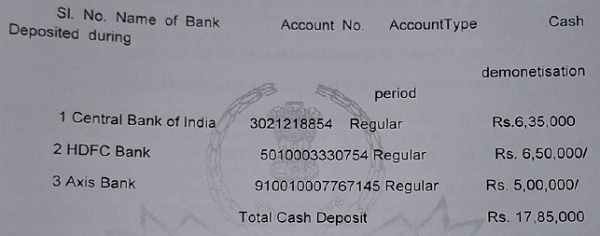
Income Tax
ITAT Deletes ₹17.85 Lakh Addition on Sikkim Land Sale Cash Deposits Under Section 10(26AAA)
Corporate Law
Corporate Law
On-Demand Guarantee Default Arises on First Invocation, Petition Within Limitation: NCLT Mumbai
Custom Duty
Custom Duty
Supplies to SEZ May Qualify as Exports for CENVAT Refund: Bombay HC Remands Matter
Income Tax
Income Tax
No Evidence of Accommodation Entry, Section 10(38) Exemption Allowed: ITAT Mumbai
Income Tax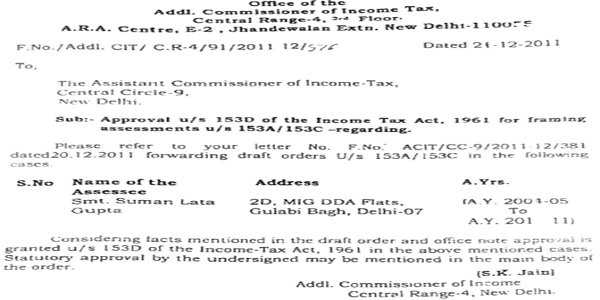
Income Tax
ITAT Delhi Sets Aside Section 153C Assessments Due to Common Section 153D Approval
Income Tax
Income Tax
Reassessment Notice Issued by JAO Instead of NFAC Remitted Back to HC for Fresh Consideration: SC
Income Tax
Income Tax

