

Articles by this Author
Goods and Services Tax
Goods and Services Tax
Papad Khar Classifiable Under HSN 28362090, Attracts 18% GST: Gujarat AAR
Goods and Services Tax
Goods and Services Tax
18% GST Applicable on Offset Printing Job Work on Paper: AAR Gujarat
Goods and Services Tax
Goods and Services Tax
Laundry Soap Classifiable Under HSN 34011942, Attracts 18% GST: Gujarat AAR
Corporate Law
Corporate Law
SC Refers Time-Barred Debt Recovery Dispute Under SFC Act to Larger Bench
Excise Duty
Excise Duty
Duty Paid Through Supplementary Invoices Must Be Treated as Pre-Deposit: CESTAT Kolkata
Income Tax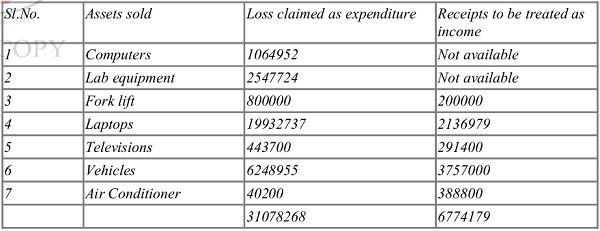
Income Tax
Madras HC Quashes Third Reassessment Attempt After Department Dropped Earlier Proceedings
Income Tax
Income Tax
Madras HC Quashes Reassessment Where No Addition Was Made on Recorded Reason for Reopening
Corporate Law
Corporate Law
Calcutta HC Directs Review of 17-Week Retrospective Tax and Penalty on Newly Registered Vehicle
Income Tax
Income Tax
Bombay HC: Assessee Cannot Seek Relief on ₹16 Lakh Already Disallowed in Income Computation
Income Tax
Income Tax
ITAT Mumbai Deletes ₹1.71 Crore Section 68 Addition on Advance Received & Refunded Through Banking Channels
Income Tax
Income Tax
ITAT Mumbai Deletes Section 68 Addition on Repaid Unsecured Loans Through Banking Channels
Income Tax
Income Tax
ITAT Mumbai Upholds 0.5% Corporate Guarantee Fee, Allows ESOP Deduction
Income Tax
Income Tax
Fresh ₹216.78 Crore ESOP Deduction Claim Can Be Raised Before Appellate Authorities: ITAT Mumbai
Income Tax
Income Tax

