

Articles by this Author
Goods and Services Tax
Goods and Services Tax
GST Portal Upload Alone Not Proper Service Under Sections 169 & 146 of CGST Act: P&H HC
Custom Duty
Custom Duty
Export Duty Recovery Premature Before Provisional Assessment Finalisation: CESTAT Chandigarh
Goods and Services Tax
Goods and Services Tax
GST Electronic Credit Ledger Valid for Legacy Service Tax Pre-Deposit: Karnataka HC
Custom Duty
Custom Duty
Vital Wheat Gluten Import Under DFIA Cannot Be Seized as Wheat Flour Issue Settled: Madras HC
Custom Duty
Custom Duty
Steamer Agent Liable for Incorrect IGM and Cargo Shortage Under Section 116: Madras HC
Income Tax
Income Tax
Section 148 Reassessment Invalid Where Section 153A Applied to Section 132A Requisition: ITAT Visakhapatnam
Income Tax
Income Tax
Delhi HC Allows Set-Off of Section 10B Unit Loss Against Other Units’ Profits
Income Tax
Income Tax
AP HC Allows Form 10B Filing, Condoning Delay Under Section 119(2)(b) of Income Tax Act
Income Tax
Income Tax
Executor Is Legal Representative; Delay in Refund Return Must Be Condoned: MP HC
Income Tax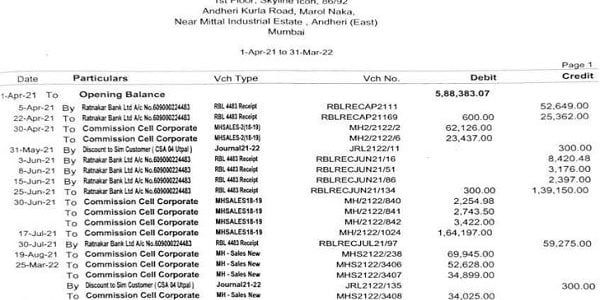
Income Tax
CCDs Remain Debt Until Conversion; ₹7.78 Crore TP Adjustment Remanded by Mumbai ITAT
Income Tax
Income Tax
ITAT Nagpur Allows Section 87A Rebate on STCG under Section 111A
Income Tax
Income Tax
129-Day Delay Condoned: Nagpur ITAT Restores Appeal for Decision on Merits
Income Tax
Income Tax
ITAT Nagpur Remands Reassessment Dispute to CIT(A) for Adjudication
Goods and Services Tax
Goods and Services Tax

