

Articles by this Author
Corporate Law
Corporate Law
Subhash Chandra Personal Insolvency: What NCLT’s ₹6.5 Crore Repayment Plan Actually Means
Corporate Law
Corporate Law
Married Daughters Have Equal Coparcenary Rights in Joint Family Property: Karnataka HC
Corporate Law
Corporate Law
Section 11 Court Cannot Conduct Mini-Trial on Arbitrability: Calcutta HC
Corporate Law
Corporate Law
SARFAESI Possession Notice Cannot Ordinarily Be Challenged Through Writ Petition: Karnataka HC
Income Tax
Income Tax
Cash Deposits in Bank Account Opened With Forged KYC Cannot Be Taxed: ITAT Delhi
Income Tax
Income Tax
No Section 201 TDS Default When SBI Followed Binding HC Order: ITAT Ahmedabad
Income Tax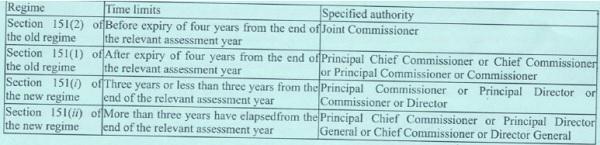
Income Tax
Reassessment Notice Invalid When Section 151 Sanction Taken From PCIT Instead of JCIT: ITAT Raipur
Income Tax
Income Tax
Cash With Mother and Minor Children Cannot Be Rejected Ignoring Social Realities: ITAT Mumbai
Income Tax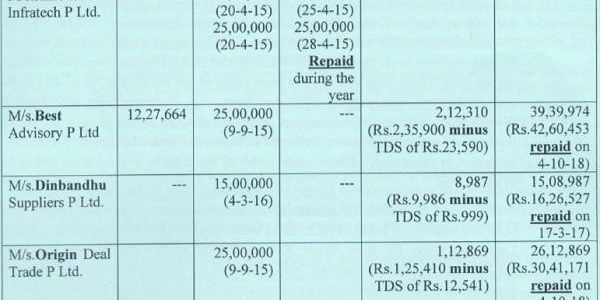
Income Tax
ITAT Raipur Upholds Deletion of ₹1.15 Crore Section 68 Addition on Repaid Loans
Income Tax
Income Tax
Section 263 Cannot Be Invoked for Inadequate Inquiry or Roving Enquiry: ITAT Raipur
Income Tax
Income Tax
Section 264 Can Remedy Double Taxation Despite No Revised Return: Telangana HC
Goods and Services Tax
Goods and Services Tax
Same FY and ITC Issue Alone Cannot Establish ‘Same Subject Matter’ Under Section 6(2)(b): Delhi HC
Income Tax
Income Tax
Reassessment on Issue Already Examined in Scrutiny Is Change of Opinion: Gujarat HC
Goods and Services Tax
Goods and Services Tax

