

Articles by this Author
Income Tax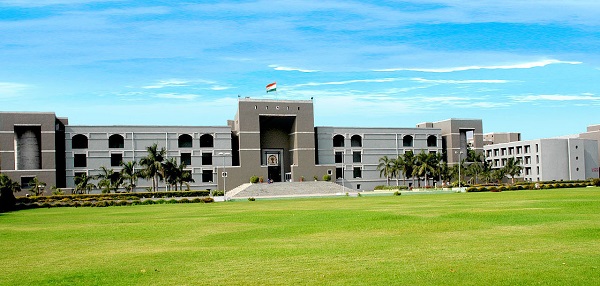
Income Tax
Section 80G Rejection Set Aside for No Show Cause Notice: Gujarat HC
Income Tax
Income Tax
Section 80G Approval Upheld Where Section 12AA Registration Remained Valid: Chhattisgarh HC
Service Tax
Service Tax
Business Auxiliary Service not applicable to outsourced statutory RTO functions: CESTAT Bangalore
Income Tax
Income Tax
Section 12AA(3) Cancellation Cannot Rest Merely on Section 2(15) Proviso: Bombay HC
Income Tax
Income Tax
Bonus Shares Retain Capital Character Unless Converted Into Stock-in-Trade: Bombay HC
Service Tax
Service Tax
CESTAT Sets Aside Service Tax on Foreign Bank Charges and Regulatory Consultancy
Service Tax
Service Tax
CESTAT Allows CENVAT Refund for Input Services Without One-to-One Output Nexus
Service Tax
Service Tax
Sanctioned CENVAT Refund Cannot Be Collaterally Recovered Under Section 73: CESTAT Chandigarh
Goods and Services Tax
Goods and Services Tax
Rajasthan High Court Rejects Delayed GST Appeal Beyond Statutory Limitation
Income Tax
Income Tax
Section 68 Share Capital Addition Deleted; Bogus Purchases Restricted to 5%: Mumbai ITAT
Excise Duty
Excise Duty
CENVAT Credit on Reverse Charge Service Tax Challan Allowed: CESTAT Ahmedabad
Service Tax
Service Tax
Mining Activities Taxable Only From June 2007 Under Mining Service: CESTAT Bangalore
Income Tax
Income Tax
Asian Paints Dealer Trips, Colour Idea Stores & Incentives Allowed as Business Expenses
Service Tax
Service Tax

