

Articles by this Author
Income Tax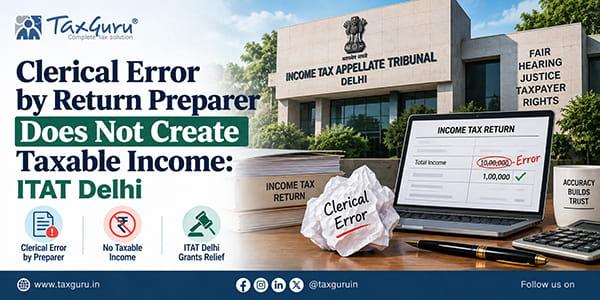
Income Tax
Clerical Error by Return Preparer Does Not Create Taxable Income: ITAT Delhi
Income Tax
Income Tax
BookMyShow Convenience Fee Outside Section 194H TDS: ITAT Mumbai
Corporate Law
Corporate Law
NCLT Jaipur Admits Section 9 CIRP for Unpaid Polymer Supply Dues
Custom Duty
Custom Duty
Customs Confiscation Challenge Must Follow Statutory Appeal Route: Delhi HC
Income Tax
Income Tax
Post-Polio Disability Justifies 607-Day Appeal Delay: ITAT Rajkot
Corporate Law
Corporate Law
NCLAT Upholds Section 10 IBC Rejection, Reduces Penalty for Malicious Filing
Service Tax
Service Tax
AP HC Dismisses GST Writ Over Unclean Hands in Service Tax Dispute
Custom Duty
Custom Duty
Delhi HC Dismisses Gold Confiscation Writ, Leaves Section 124 Issues Open
Service Tax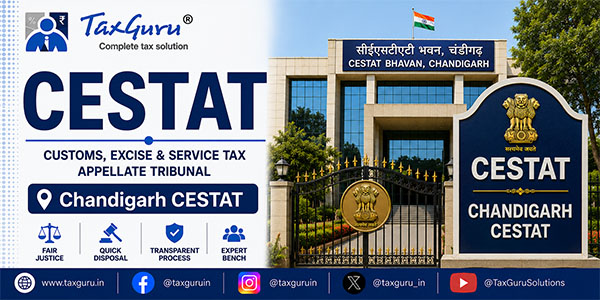
Service Tax
Statutory Board Not Taxable as Security Agency Service: CESTAT Chandigarh
Service Tax
Service Tax
Bus Terminal Adda-Fees Not Taxable as Business Support Service: CESTAT Chandigarh
Income Tax
Income Tax
ITAT Delhi Quashes Reassessment for Mechanical Section 151 Sanction
Custom Duty
Custom Duty
Delhi HC Dismisses Gold Release Petition, Directs Time-Bound Customs Hearing
Custom Duty
Custom Duty
Delhi High Court Dismisses Gold Confiscation Writ, Grants Customs Revision Liberty
Custom Duty
Custom Duty

