

Articles by this Author
Goods and Services Tax
Goods and Services Tax
Calcutta HC Remands GST Demand Order for Fresh Hearing Under Section 75(4)
Goods and Services Tax
Goods and Services Tax
Calcutta HC Restores GST Registration After Non-Filing of Returns, Subject to Compliance
Goods and Services Tax
Goods and Services Tax
Calcutta HC Quashes GST Adjudication Order for Denial of Personal Hearing
Goods and Services Tax
Goods and Services Tax
Calcutta High Court Restores GST Appeal Dismissed on Limitation, Citing Natural Justice
Goods and Services Tax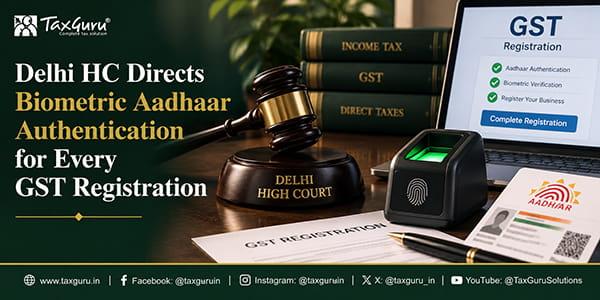
Goods and Services Tax
Delhi High Court Directs One-Week Decision on Withheld IGST Refund
Income Tax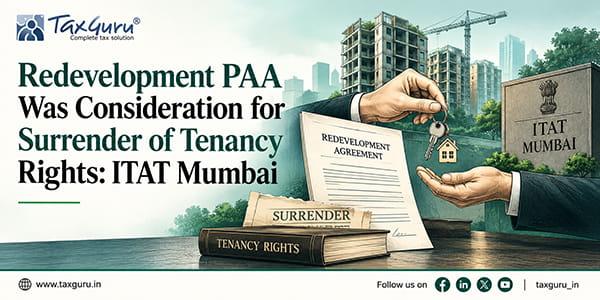
Income Tax
Redevelopment PAA Was Consideration for Surrender of Tenancy Rights: ITAT Mumbai
Income Tax
Income Tax
ITAT Delhi Deletes Section 69A Addition on Loan Repaid Through Banking Channels
Income Tax
Income Tax
ITAT Agra Remands 80G Renewal Rejection for Verification of 5% Religious Expenditure
Income Tax
Income Tax
Gauhati HC Quashes Income Tax Prosecution After Assessment Order Was Set Aside
Corporate Law
Corporate Law
NCLT Mumbai Admits Section 9 CIRP Petition for Unpaid Operational Debt
Corporate Law
Corporate Law
NCLAT Holds It Cannot Condone Delay Beyond 45 Days under IBC
Corporate Law
Corporate Law
SC Refers Section 47-A Stamp Duty Undervaluation Test to Larger Bench
Income Tax
Income Tax
CBDT 20% Stay Demand Rule Cannot Replace Statutory Discretion: Telangana HC
Income Tax
Income Tax

