
Month: June 2026
2,704 articlesIncome Tax
Income Tax
Can Updated Return Be Filed After Notice Under Sections 143(2), 148A or 148?
CA, CS, CMA
CA, CS, CMA
All About MOOWR License
Income Tax
Income Tax
Madras HC Upholds Income Tax Search as Section 132 Challenge Failed
Income Tax
Income Tax
ITAT Quashes Reassessment as ITO Lacked Jurisdiction Under CBDT Instruction No. 1/2011
Income Tax
Income Tax
ITAT Quashes Assessment as Jurisdictional AO Did Not Issue Section 143(2) Notice
Income Tax
Income Tax
ITAT Kolkata Quashes Reassessment as ACIT Lacked Pecuniary Jurisdiction
Income Tax
Income Tax
Assessment Invalid Where Non-Jurisdictional AO Issued Section 143(2) Notice: ITAT Kolkata
Income Tax
Income Tax
Section 143(2) Notice by Wrong Officer Makes Assessment Null & Void: ITAT Kolkata
Income Tax
Income Tax
Limited Scrutiny Cannot Be Expanded Without CBDT Approval: ITAT Kolkata
Corporate Law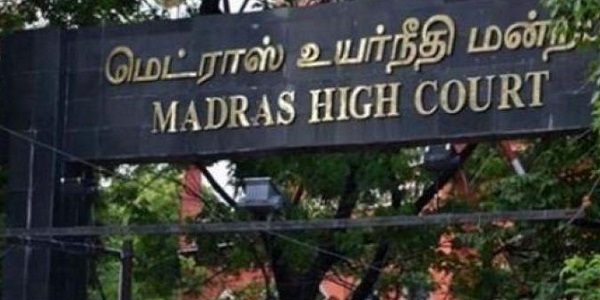
Corporate Law
Promissory Note Decree Restored as Handwriting Expert Opinion Was Not Mandatory
Corporate Law
Corporate Law
Madras HC Dismisses Promissory Note Suit as Passing of Consideration Was Not Proved
DGFT
DGFT
Rajasthan HC Dismisses PIL as it Cannot Direct Changes in Foreign Trade Policy
Corporate Law
Corporate Law
Allahabad HC Allows Date of Birth Correction as Typographical Error Gave No Benefit
Corporate Law
Corporate Law

