
Month: June 2026
2,704 articlesIncome Tax
Income Tax
Black Money Act Penalty Set Aside as Non-Disclosure Was a Bona Fide Mistake
Income Tax
Income Tax
Section 271D Penalty Quashed as AO Did Not Record Satisfaction: ITAT Delhi
Income Tax
Income Tax
ITAT Deletes Sections 271D & 271E Penalties for Lack of Recorded Satisfaction
Corporate Law
Corporate Law
Madras HC Dismisses CENVAT Refund Claim as Substituted Notification Applies Retrospectively
Corporate Law
Corporate Law
Delhi HC Sets Aside Pre-Deposit Condition As DVAT Section 74 Amendment Was Not Retrospective
Income Tax
Income Tax
ITAT Quashes Section 263 Order as Search Warrant Was Not Issued in Assessee’s Name
Income Tax
Income Tax
Search Assessment Quashed as Limitation Must Be Computed Separately for Each Person
Income Tax
Income Tax
ITAT Quashes Assessment Orders as Section 153 Limitation Expired Despite TOLA Extension
Income Tax
Income Tax
ITAT Quashes Section 153C Assessments as They Were Barred by Limitation
Income Tax
Income Tax
20% Pre-Deposit Not Mandatory as Stay Must Consider Genuine Hardship: Karnataka HC
Income Tax
Income Tax
Penny Stock LTCG Allegation Rejected as Revenue Produced No Assessee-Specific Evidence
SEBI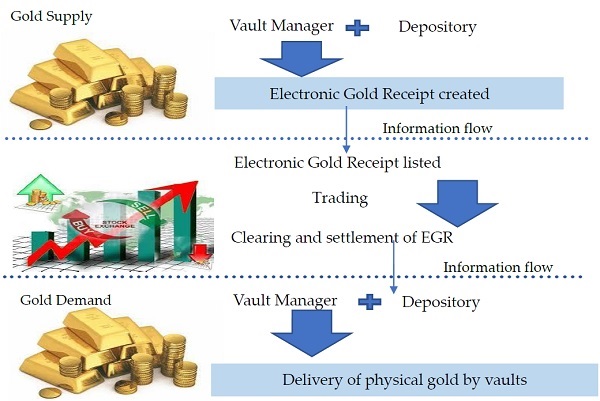
SEBI
Electronic Gold Receipts (EGRs): Analysis of India’s Exchange-Traded Gold Ecosystem
Goods and Services Tax
Goods and Services Tax
Tax Bar Seeks GSTAT Appeal Deadline Extension as Portal Issues Hinder Filing
Goods and Services Tax
Goods and Services Tax

