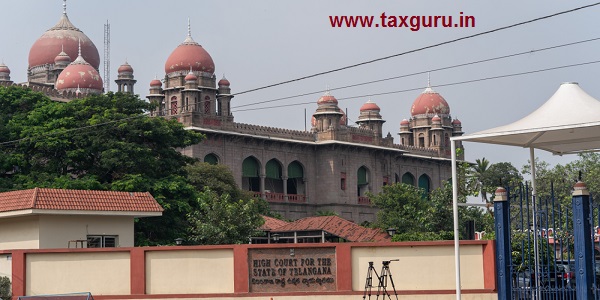
The Telangana High Court permitted the taxpayer to file a delayed GST appeal against the Order-in-Original and DRC-07 summary order. The Court directed the appellate authority to consider delay condonation sympathetically since the taxpayer had been pursuing writ proceedings before the High Court.
The article explains how the High Court held that corporate guarantee fees do not qualify as Fees for Technical Services under the India-UK DTAA. The ruling emphasizes the absence of technical knowledge or consultancy services.
The article explains how India has broadened Permanent Establishment and Business Connection concepts after BEPS reforms. It highlights the shift from physical presence to economic nexus-based taxation.
The article analyses why India may continue its Equalisation Levy regime beyond August 2024 due to delays in the OECD/G20 Pillar One framework. It discusses the impact on digital businesses and global tax relations.
The article explains how the ITAT allowed deduction of abandoned software project costs as revenue expenditure. The ruling clarifies that no capital asset arises when a project is permanently abandoned.
The article explains how Section 80M applies only to domestic dividends, leaving foreign subsidiary dividends fully taxable in India. This creates economic double taxation for Indian parent companies.
The article explains the Supreme Court’s landmark 2024 ruling that broken period interest on debt securities is capital in nature. The judgment rejects the Revenue’s attempt to tax such receipts as interest income.
The article explains how Sections 115BAA, 115BAB, 115BAC, and 115BAE have reduced the importance of traditional deduction-based tax planning. It highlights the shift toward strategic and substance-driven tax optimization.
The article explains how Section 115BAE offers newly established co-operative societies a concessional 15% tax rate for manufacturing activities. It highlights the provision’s potential to transform co-operatives into industrial growth engines.
The ITAT Surat held that revision under Section 263 was invalid because the Assessing Officer had already conducted inquiries and examined relevant records. Mere discrepancies in Insight Portal GST data were held insufficient to render the assessment order erroneous.