GSTAT held that the builder failed to uniformly pass on additional GST input tax credit benefits to homebuyers in a housing project. The Tribunal directed refund of the remaining profiteered amount with 18% interest.
The Union Cabinet approved ECLGS 5.0 to provide guaranteed emergency credit support to MSMEs, non-MSMEs, and airlines facing liquidity stress due to the West Asia conflict. The scheme offers up to 100% guarantee coverage and aims to protect jobs and supply chains.
RBI issued draft directions governing acquisition and treatment of specified non-financial assets acquired during recovery of non-performing loans. The framework introduces valuation, disclosure, and disposal requirements for regulated entities.
The article explains how Power of Attorney has become essential in modern tax practice because of increasing digitization and faceless proceedings. It highlights the importance of proper authorization for smooth representation before tax authorities.
The Andhra Pradesh High Court held that failure to file monthly GSTR-3B returns can amount to suppression of facts under Section 74 of the CGST Act. The ruling increases exposure to 100% penalty where wilfulness is established.
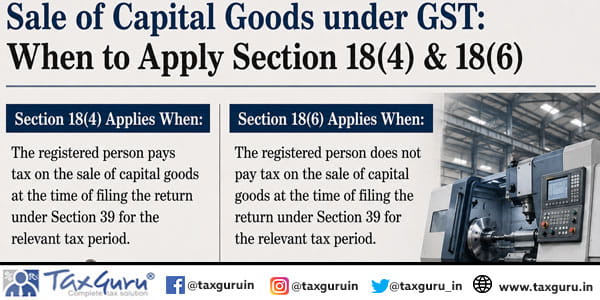
The article explains the legal distinction between ITC reversal on opting for composition and tax liability on sale of capital goods. It clarifies when Section 18(4) and Section 18(6) apply under GST law.
The Court ruled that refund claims under inverted duty structure cannot be restricted using the earlier anomalous formula once Rule 89(5) was amended to remove inconsistencies. The authorities were directed to reconsider the refund claims under the amended provisions.
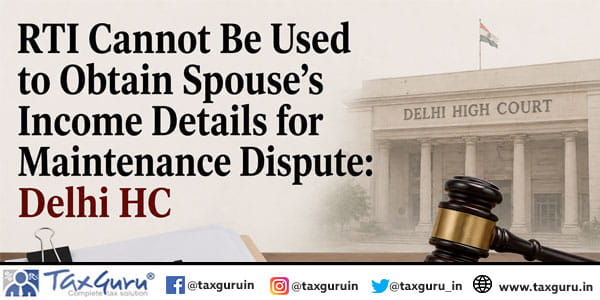
The Delhi High Court held that income tax returns and taxable income details are personal information protected under Section 8(1)(j) of the RTI Act. The Court ruled that such information cannot be disclosed merely because it is sought in a matrimonial dispute.
RBI notified the Foreign Exchange Management (Authorised Persons) Regulations, 2026 introducing revised eligibility, compliance, and operational conditions for authorised persons. The regulations also restructure forex operations through new categorisation and oversight mechanisms.
CBDT’s 2026 amendment strengthens grandfathering protection for investments made before the commencement of GAAR. The clarification addresses concerns created by the Tiger Global ruling regarding scrutiny of legacy investments.