
Type: Featured
10,032 articlesIncome Tax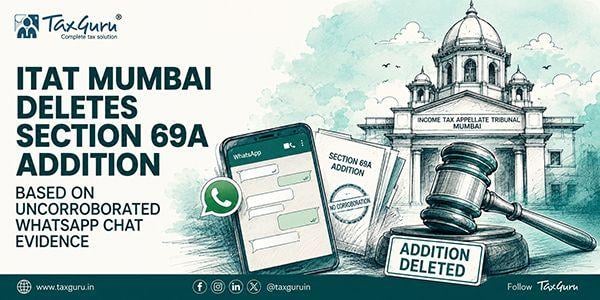
Income Tax
ITAT Mumbai Deletes Section 69A Addition Based on Uncorroborated WhatsApp Chat Evidence
Income Tax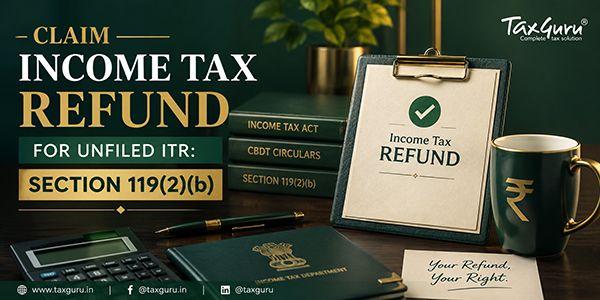
Income Tax
Claim Income Tax Refund for Unfiled ITR: Section 119(2)(b)
Goods and Services Tax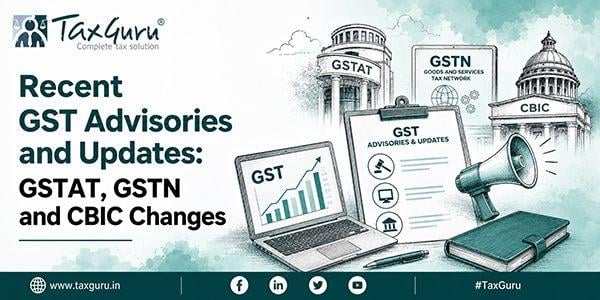
Goods and Services Tax
Recent GST Advisories and Updates: GSTAT, GSTN and CBIC Changes
CA, CS, CMA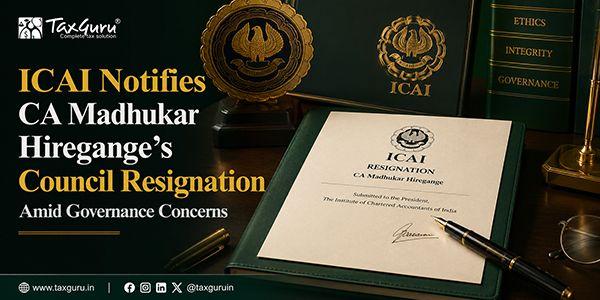
CA, CS, CMA
ICAI Notifies CA Madhukar Hiregange’s Council Resignation Amid Governance Concerns
Goods and Services Tax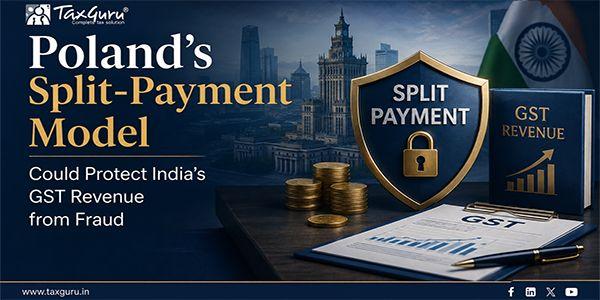
Goods and Services Tax
Poland’s Split-Payment Model Could Protect India’s GST Revenue from Fraud
Company Law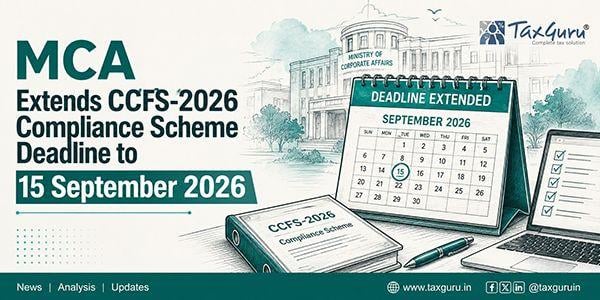
Company Law
MCA Extends CCFS-2026 Compliance Scheme Deadline to 15 September 2026
Company Law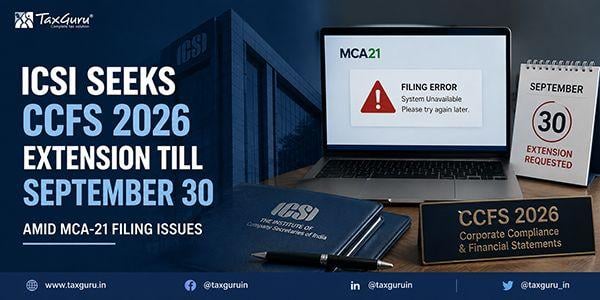
Company Law
ICSI Seeks CCFS 2026 Extension Till September 30 Amid MCA-21 Filing Issues
Income Tax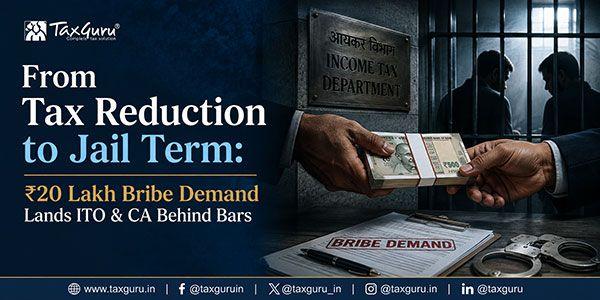
Income Tax
From Tax Reduction to Jail Term: ₹20 Lakh Bribe Demand Lands ITO & CA Behind Bars
CA, CS, CMA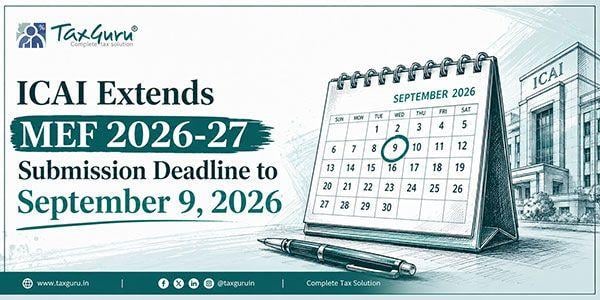
CA, CS, CMA
ICAI Extends MEF 2026-27 Submission Deadline to September 9, 2026
Corporate Law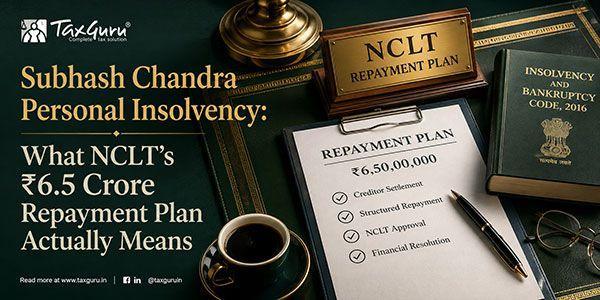
Corporate Law
Subhash Chandra Personal Insolvency: What NCLT’s ₹6.5 Crore Repayment Plan Actually Means
Income Tax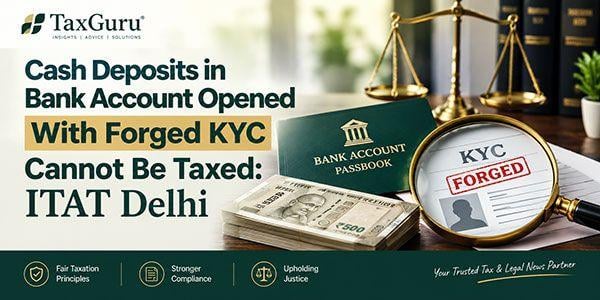
Income Tax
Cash Deposits in Bank Account Opened With Forged KYC Cannot Be Taxed: ITAT Delhi
Income Tax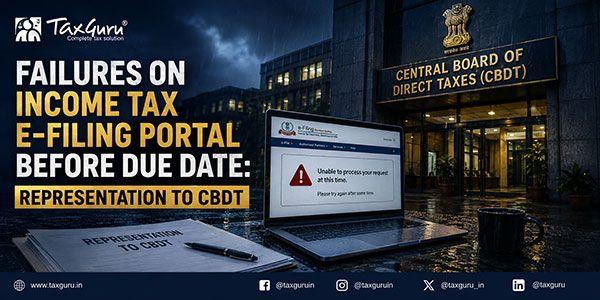
Income Tax
Failures on Income Tax E-Filing Portal Before Due Date: Representation to CBDT
Corporate Law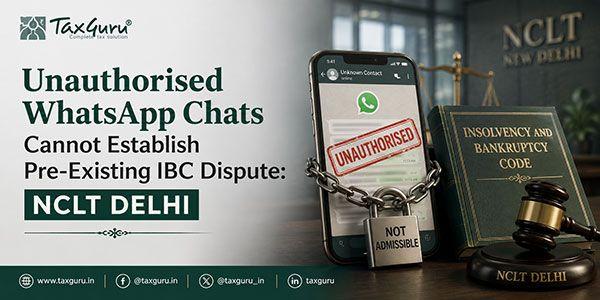
Corporate Law
Unauthorised WhatsApp Chats Cannot Establish Pre-Existing IBC Dispute: NCLT Delhi
Income Tax
Income Tax

