
Type: Featured
10,042 articlesIncome Tax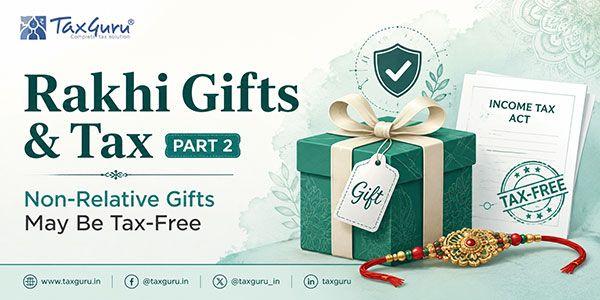
Income Tax
Rakhi Gifts & Tax Part 2: Non-Relative Gifts May Be Tax-Free
Income Tax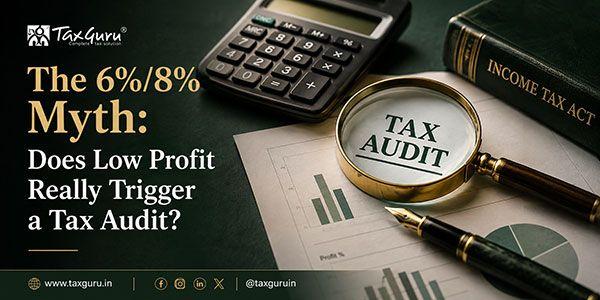
Income Tax
The 6%/8% Myth: Does Low Profit Really Trigger a Tax Audit?
Goods and Services Tax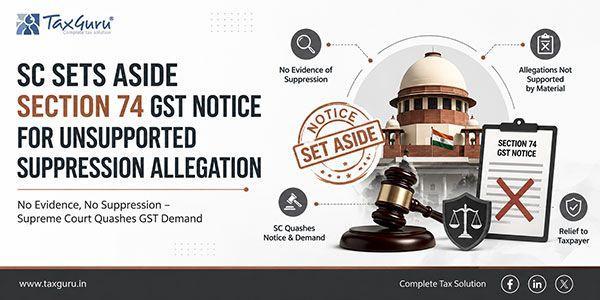
Goods and Services Tax
SC Sets Aside Section 74 GST Notice for Unsupported Suppression Allegation
Corporate Law
Corporate Law
CA Firms and the ‘Peanut Earnings’ Trap: A Growth Roadmap
Company Law
Company Law
ICSI CS June 2026 Results Declared: Pass Rates & Toppers
Goods and Services Tax
Goods and Services Tax
Gujarat HC Quashes GST Orders Over AI-Cited Non-Existent Judgments
CA, CS, CMA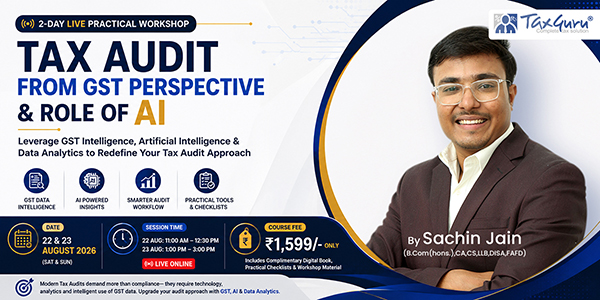
CA, CS, CMA
Join 2 day Workshop on Tax Audit From GST Perspective & Role of AI
Goods and Services Tax
Goods and Services Tax
Mechanical Fraud Invocation Cannot Extend CGST Section 74 Limitation: SC
Income Tax
Income Tax
Common Income Tax Return (ITR) Filing Mistakes Taxpayers Should Avoid
Income Tax
Income Tax
Are Raksha Bandhan Gifts Received by a Sister Taxable?
Goods and Services Tax
Goods and Services Tax
SC Quashes Vague Section 74 GST SCN Alleging Fraud Without Particulars
Goods and Services Tax
Goods and Services Tax
GSTAT Sets Aside Section 74 Demand Based on Mere ITC Reconciliation Difference
Income Tax
Income Tax
ITAT Mumbai Allows Section 54F Exemption on House Purchased from Husband
Income Tax
Income Tax

