
Type: Featured
10,042 articlesCompany Law
Company Law
MCA extended CCFS-2026 Until 31 August 2026
Company Law
Company Law
Artificial Intelligence In Legal Research – A Boon or A Bane?
Goods and Services Tax
Goods and Services Tax
GST SCN Replies: Are You Drafting Your Reply to Lose Case?
Income Tax
Income Tax
F&O Turnover & Tax Audit: Small Filing Error Leads to Rs. 1 Crore Demand
Goods and Services Tax
Goods and Services Tax
GST के 9 साल: व्यवस्था चल पड़ी है, अब इसे आम करदाता के लिए सरल बनाइए
Company Law
Company Law
Penalty Imposed for Failure to Display Registered Office Details at Warehouses
Income Tax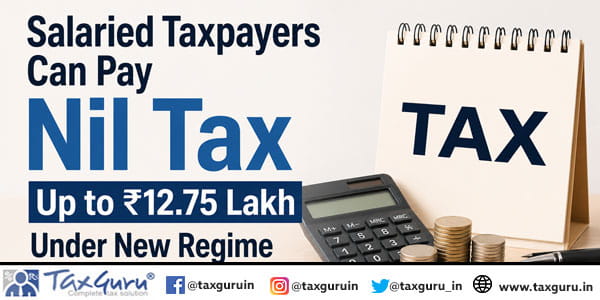
Income Tax
Salaried Taxpayers Can Pay Nil Tax Up to ₹12.75 Lakh Under New Regime
Corporate Law
Corporate Law
Adani Criminal Case Was ‘Name & Shame’ Indictment With No Realistic Trial Prospect: US DoJ
CA, CS, CMA
CA, CS, CMA
ICAI Denies Data Breach Claims, Calls Social Media Allegations Malicious
Income Tax
Income Tax
Limitation/Compliance periods Under Income Tax Act, 1961
Income Tax
Income Tax
Gold & Silver rates as on 01.04.1981 & From 31.03.2008 to 31.03.2026
Corporate Law
Corporate Law
Advocate’s Professional Fee Is Not Proceeds of Crime Unless Advocate Is Complicit: Allahabad HC
Corporate Law
Corporate Law
Housing Societies Are Not Courts, Cannot Decide Flat Ownership or Title Disputes: Bombay HC
Company Law
Company Law

