
#section 271(1)(c)
Log in to FollowLatest section 271(1)(c) updates, provisions, case laws, compliance requirements, tax implications and expert analysis under Income-tax law on TaxGuru.
Income Tax
Income Tax
Parent Company Subvention to Prevent Subsidiary Losses Is Capital Receipt: ITAT Pune
Income Tax
Income Tax
Delhi ITAT Remands ₹1.17 Crore Addition After Trust Alleges Forged Bank Account
Income Tax
Income Tax
No Section 271(1)(c) Penalty if Reopened Return Was Accepted Without Any Addition: ITAT Delhi
Income Tax
Income Tax
Karnataka HC Remands Section 271(1)(c) Penalty After Revival of Assessment Orders
Income Tax
Income Tax
Karnataka HC Quashes Assessment Orders as Time-Barred After Settlement Commission Proceedings
Income Tax
Income Tax
ITAT Ahmedabad Accepts Foreign AEs as Tested Party, Remands TP Adjustment
Income Tax
Income Tax
Section 263 Cannot Cure Wrong Penalty Provision in Assessment Order: ITAT Chennai
Income Tax
Income Tax
ITAT Allows Section 10(38) LTCG Exemption on Sunrise Asian Shares
Income Tax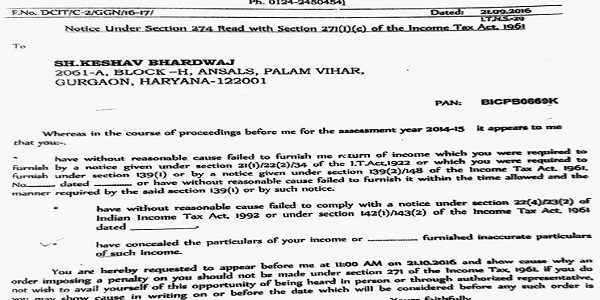
Income Tax
AO Failed to Specify Charge in Section 271(1)(c) Notice Penalty: Delhi ITAT
Income Tax
Income Tax
ITAT Mumbai Remands Case Where Income Was Claimed Taxed Under Another PAN
Income Tax
Income Tax
SC Dismissed SLP Against Penalty Notice Ruling Under Section 271(1)(c)
Corporate Law
Corporate Law
SC Closes All Matrimonial Proceedings After Dissolving Marriage Under Article 142
Income Tax
Income Tax
ITAT Deletes Section 271(1)(c) Penalty After Quantum Additions Are Fully Deleted
Income Tax
Income Tax
Chhattisgarh HC Condones 161-Day Delay, Restores ITAT Appeal on Merits
Explore the latest section 271(1)(c) updates on TaxGuru, including relevant Income-tax Act provisions, rules, notifications, circulars, judicial decisions and compliance guidance. The coverage highlights important tax positions, procedural requirements, assessments, deductions, penalties and litigation developments to help taxpayers and professionals understand the practical implications of changes in income-tax law.

