
#section 271(1)(c)
Log in to FollowLatest section 271(1)(c) updates, provisions, case laws, compliance requirements, tax implications and expert analysis under Income-tax law on TaxGuru.
Income Tax
Income Tax
ITAT Bangalore Excludes High-Turnover and Functionally Dissimilar Comparables in NTT Data Case
Income Tax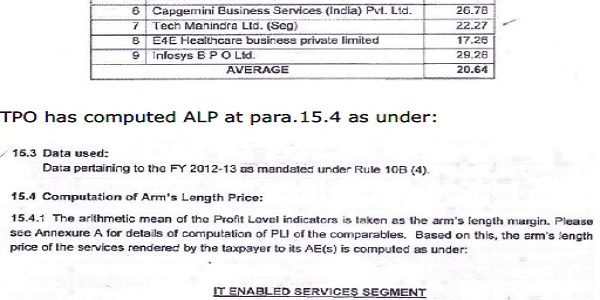
Income Tax
High-Turnover Comparables Excluded From ALP: Bangalore ITAT Grants Partial Relief
Income Tax
Income Tax
Jaipur ITAT: Section 14A Disallowance Rejected; Socio-Economic Expenses Allowed U/s 37(1)
Income Tax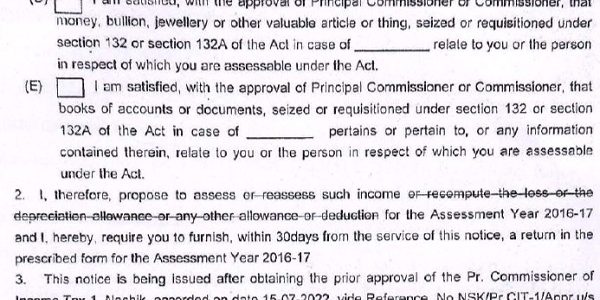
Income Tax
Pune ITAT: AY 2016-17 Reassessment Quashed; PCIT Sanction Invalid Beyond 3 Years
Income Tax
Income Tax
Karnataka HC: Section 271(1)(c) Penalty Reconsideration Ordered After Assessment Revival
Income Tax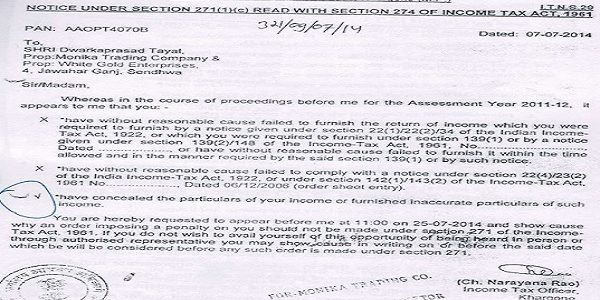
Income Tax
ITAT Indore Quashes Penalty for Defective Section 274 Notice Without Specific Charge
Income Tax
Income Tax
ITAT Kolkata Deletes Section 271(1)(c) Penalty for Bona Fide Rounding-Off Error
Income Tax
Income Tax
ITAT Hyderabad Applies Circle Rate for JDA Gains, Restores Section 54F
Income Tax
Income Tax
Gujarat HC Quashes Section 148 Reopening for Absence of New Tangible Material
Income Tax
Income Tax
Bombay HC: Ambiguous Section 271(1)(c) Notice Invalidates Penalty
Income Tax
Income Tax
Delhi ITAT Quashes ₹1.88 Cr Reassessment: Purchases Already Examined, No Failure to Disclose
Income Tax
Income Tax
Mere Same-Year Loan Repayment Does Not Establish Genuineness: ITAT Mumbai
Income Tax
Income Tax
ITAT Deletes Section 69A Addition as Genuine Loan Cannot Become Income Due to Non-Repayment
Income Tax
Income Tax
No PE in India for Honda Trading Asia; TP Adjustments Infructuous: ITAT Delhi
Explore the latest section 271(1)(c) updates on TaxGuru, including relevant Income-tax Act provisions, rules, notifications, circulars, judicial decisions and compliance guidance. The coverage highlights important tax positions, procedural requirements, assessments, deductions, penalties and litigation developments to help taxpayers and professionals understand the practical implications of changes in income-tax law.

