
#section 271(1)(c)
Log in to FollowLatest section 271(1)(c) updates, provisions, case laws, compliance requirements, tax implications and expert analysis under Income-tax law on TaxGuru.
Income Tax
Income Tax
ITAT Visakhapatnam Deletes Section 270A and 271AAD Penalties After Search
Income Tax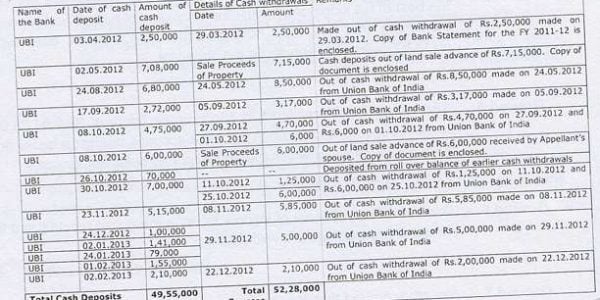
Income Tax
ITAT Dismisses Revenue Appeals, Upholds Cash Deposit Addition Deletion & Penalty Relief
Income Tax
Income Tax
ITAT Indore Quashes Penalty for Vague Section 274 Notice
Income Tax
Income Tax
Delhi HC Upholds Penalty Deletion Over Ambiguous Section 271(1)(c) Notice
Income Tax
Income Tax
Panaji ITAT Deletes Penalties under Sections 271F & 271(1)(c) Due to Tax Consultant’s Failure
Income Tax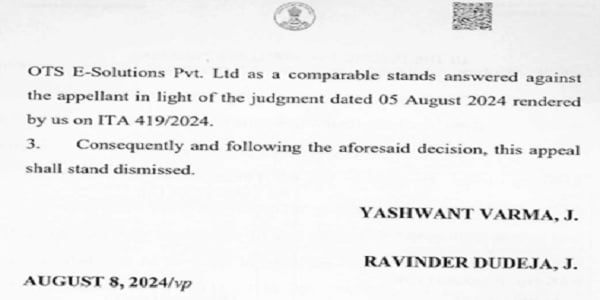
Income Tax
AMP Spend Not International Transaction Without AE Arrangement: Delhi ITAT
Income Tax
Income Tax
NPA Interest Not Taxable on Accrual; Section 36(1)(viia) Claim Remanded: ITAT Chennai
Income Tax
Income Tax
Ex-Parte Section 69A Cash Deposit Addition Remanded by Pune ITAT
Income Tax
Income Tax
AO’s Wrong Tax Computation Justifies Condonation of Appeal Delay: Delhi ITAT
Income Tax
Income Tax
₹6 Crore Bona Fide Family Settlement Not Taxable; Non-Interference Clause Incidental: Pune ITAT
Income Tax
Income Tax
Mumbai ITAT: Penalty Invalid Where Notice Alleged Inaccurate Particulars but Order Found Concealment
Income Tax
Income Tax
Nagpur ITAT: ₹1.08 Crore Penalty U/s 271(1)(c) Deleted on Income Disclosed U/s 148
Income Tax
Income Tax
ITAT Mumbai Remits TP Issues, Allows Working Capital Adjustment: Red Hat India
Income Tax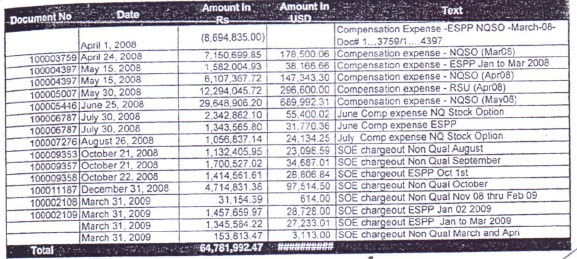
Income Tax
Bangalore ITAT Allows 80JJAA Deduction and Lease Rentals, Remands Software Expenses
Explore the latest section 271(1)(c) updates on TaxGuru, including relevant Income-tax Act provisions, rules, notifications, circulars, judicial decisions and compliance guidance. The coverage highlights important tax positions, procedural requirements, assessments, deductions, penalties and litigation developments to help taxpayers and professionals understand the practical implications of changes in income-tax law.

