
Courts: Telangana High Court
Find latest Telangana High Court judgments, orders and case laws on Income Tax, GST, Customs, Company Law and other taxation and commercial matters.

Telangana HC Grants Interim Protection Till GST Tribunal Becomes Functional
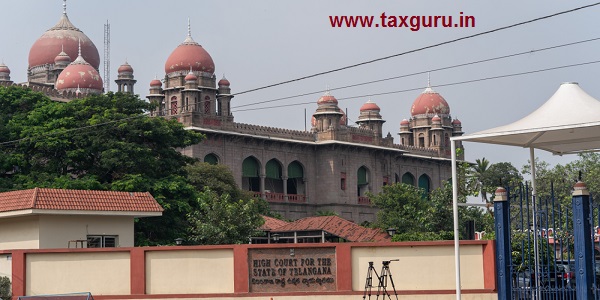
Telangana HC Directs GST Department to Supply Supporting Documents Before Proceeding with Cancellation
Telangana HC Allows GST Rectification Remedy for Ex-Parte Tax Demand
Telangana High Court Allows Delayed GST Appeal Filing Subject to Pre-Deposit
Telangana HC Rejects Writ Against Income Tax Intimation Due to Delay, Directs Assessee to Approach ITAT
Telangana HC Allows Rectification of Conflicting GST Orders for Same Tax Period
Telangana HC Quashes Reassessment by Jurisdictional AOs After Faceless Scheme Implementation
Telangana HC Allows Taxpayer to Seek GST Registration Revocation Despite Delay in Filing Returns
Telangana HC Directs GST Officer to Decide Cancellation Case in 2 Weeks Amid Business Standstill
Telangana HC Allows Manual Revocation of Cancelled GST Registration
Telangana HC Permits Delayed GST Appeal Against Section 74 Demand Orders
Telangana HC Allows Manual Revocation Application for Cancelled GST Registration
Telangana HC Permits Taxpayer to Withdraw Writ Petition and Avail Statutory GST
Telangana HC Permits Manual Revocation Application for Cancelled GST Registration
Telangana High Court judgments and orders cover significant taxation, corporate, commercial and regulatory disputes. This TaxGuru page brings together Telangana High Court case laws concerning Income Tax, GST, Customs, input tax credit, refunds, tax demands, reassessment, penalties, Company Law and other legal matters. Taxpayers, companies, Chartered Accountants, advocates and tax professionals can use the collection to research judicial precedents and monitor important legal developments. TaxGuru publishes recent and significant earlier Telangana High Court decisions with summaries and analysis explaining the issues and legal principles involved. The page serves as a convenient resource for readers researching taxation and business-related litigation before the Telangana High Court.

