
Courts: Telangana High Court
Find latest Telangana High Court judgments, orders and case laws on Income Tax, GST, Customs, Company Law and other taxation and commercial matters.
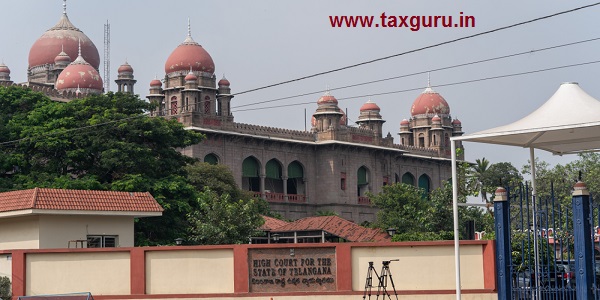
Telangana HC Permits Delayed GST Appeal Over Order Upload in Additional Notices Tab
Telangana HC Directs Appeal Against GST Demand Despite Procedural Objections
Telangana HC Sets Aside Cryptic GST Registration Revocation Rejection
Telangana HC Allows GST Appeal Against Section 74 Demand
Telangana HC Upholds ITAT’s Rejection of Section 254(2) Rectification Plea
Telangana HC Grants GST Recovery Stay Until Tribunal Becomes Operational
Telangana HC Allows GST Taxpayer to Withdraw Writ Petition & File Appeal
Telangana HC Directs Registrar to Process Sale Deed or Pass Speaking Order
JAO Cannot Bypass Faceless Reassessment Framework: Telangana HC
Telangana HC Allows Manual Application for Revocation of Cancelled GST Registration

Telangana HC Dismisses GST Writ as Taxpayer Failed to Respond to SCN
GST Show Cause Notice Upheld as Taxability of Annuity Requires Factual Determination

GST Arrest Upheld as Material Evidence Linked Accused to Alleged Tax Evasion Syndicate
Telangana HC Directs GST Taxpayer to Pursue Statutory Appeal in Classification Dispute
Telangana High Court judgments and orders cover significant taxation, corporate, commercial and regulatory disputes. This TaxGuru page brings together Telangana High Court case laws concerning Income Tax, GST, Customs, input tax credit, refunds, tax demands, reassessment, penalties, Company Law and other legal matters. Taxpayers, companies, Chartered Accountants, advocates and tax professionals can use the collection to research judicial precedents and monitor important legal developments. TaxGuru publishes recent and significant earlier Telangana High Court decisions with summaries and analysis explaining the issues and legal principles involved. The page serves as a convenient resource for readers researching taxation and business-related litigation before the Telangana High Court.

