
Courts: Telangana High Court
Find latest Telangana High Court judgments, orders and case laws on Income Tax, GST, Customs, Company Law and other taxation and commercial matters.

Reassessment Notices Quashed as ITBA Portal Dispatch Happened After Limitation Deadline
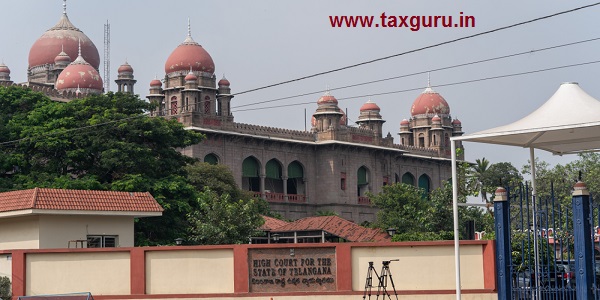
Telangana HC Allows GST Appeal Despite Delay – Relief Granted Against Section 73
Telangana HC Permits Section 161 GST Rectification: Relief in Challenge to Section 73
Telangana HC Rejects VAT Writ Over Factual Tax Dispute
Telangana HC Permits Rectification Remedy Under Section 161 in GST Dispute
Telangana High Court Allows GST Appeal Route Despite Delay
Telangana HC Dismisses Delayed Service Tax Challenge Filed After Four Years
HC Upholds ITAT Remand for Fresh Cash Flow Verification in Share Premium Addition u/s 68; Human Probability Test Not Enough
Telangana HC Dismisses Writ Seeking Action Against Partners for Non-Filing of Income Tax Returns
Telangana HC Permits Delayed GST Appeal Against Order-in-Original
Telangana HC Restores GST Registration Revocation Plea After Consultant Failed to Reply to Notice
Telangana HC Quashes Time-Barred Reassessment Notice Under Section 148
Telangana HC Directs Authorities to Process Mutation & e-Pattadar Passbook Applications
Multiple GST Notices & Orders for Same Tax Period Rectifiable: Telangana HC
Telangana High Court judgments and orders cover significant taxation, corporate, commercial and regulatory disputes. This TaxGuru page brings together Telangana High Court case laws concerning Income Tax, GST, Customs, input tax credit, refunds, tax demands, reassessment, penalties, Company Law and other legal matters. Taxpayers, companies, Chartered Accountants, advocates and tax professionals can use the collection to research judicial precedents and monitor important legal developments. TaxGuru publishes recent and significant earlier Telangana High Court decisions with summaries and analysis explaining the issues and legal principles involved. The page serves as a convenient resource for readers researching taxation and business-related litigation before the Telangana High Court.

