
Courts: All High Courts
Read latest High Court judgments and orders on Income Tax, GST, Customs, Company Law and other taxation, corporate, commercial and regulatory matters.

GST Registration Cancellation Quashed Due to Absence of Named Issuing Authority

HC Deletes ₹10 Cr Addition: “Bogus” Loan Claims Rejected Due to Lack of Incriminating Material

Set-off on furnace oil available after reducing 6% of purchase price u/r 41D(3)(a) of Bombay Sales Tax Rules
ED’s Freezing Orders Quashed for Non-Compliance with PMLA Safeguards
Fresh GST Demand Quashed Because Section 61 Reply Had Been Accepted
Allahabad High Court Grants Bail in Rs. 32 Crore GST Fraud Case

Kerala HC Upholds GST Registration Cancellation for Delay in Seeking Remedies

GSTAT Appeal Needs Mandatory 10% Penalty Pre-Deposit; DRC-03 Not Adjustable
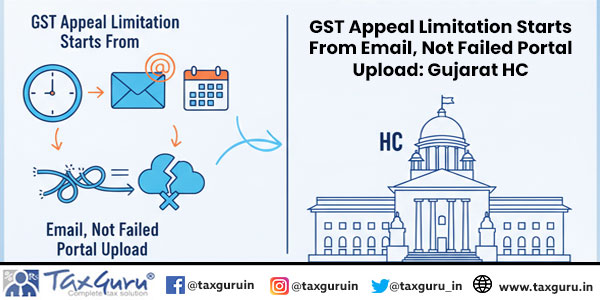
GST Appeal Limitation Starts From Email, Not Failed Portal Upload: Gujarat HC
GST Registration Cancellation quashed for Defective SCN, No Hearing & Non Speaking Order
Bombay HC condones delay in Filing Form 10B Due to Pandemic Hardship
Security deposit is actually sale consideration and is merely used as devise to postpone tax liability

Delay in filing cross-objection condoned and Tribunal directed to hear cross-objection
Writ Appeal Closed as SC Directions Resolve TRAN-1 Issue
All High Courts brings together judgments and orders of High Courts across India published on TaxGuru. The archive covers Income Tax, GST, Customs, Company Law, Corporate Law, insolvency, commercial laws and other taxation and regulatory matters. Readers can research important questions of law, constitutional challenges, writ petitions, statutory appeals and other proceedings decided by different High Courts. Chartered Accountants, advocates, tax professionals, businesses and legal researchers can use this consolidated archive to follow High Court jurisprudence across India. Separate High Court categories are available for court-specific judgments and orders.

