
Courts: All High Courts
Read latest High Court judgments and orders on Income Tax, GST, Customs, Company Law and other taxation, corporate, commercial and regulatory matters.

GST Seizure Quashed as Transporter Not Owner of Goods: Allahabad HC

Cases involving large scale availment of ITC or evasion of GST are relegated to appellate remedy

Delay in filing Form No. 9A condoned as form 9A newly introduced
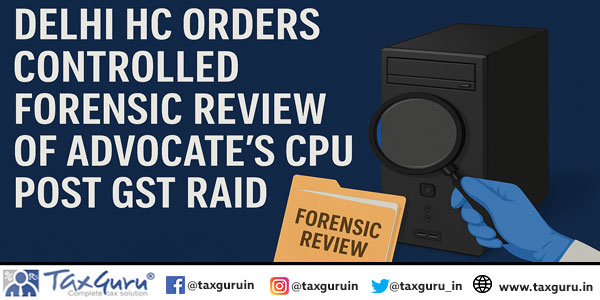
Delhi HC Orders Controlled Forensic Review of Advocate’s CPU Post GST Raid
Reassessment Quashed as Notice Uploaded After Limitation Due to Portal Glitch
Delhi HC Questions Customs Dept’s Power to Issue IGST SCN in Export Classification Dispute
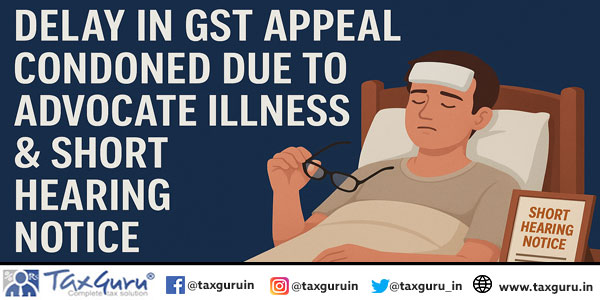
Delay in GST Appeal Condoned Due to Advocate Illness & Short Hearing Notice
Section 263 Revision Rejected as AO Took One of Two Possible Views
Allahabad HC Rejects GST Section 74 Action Due to Absence of Fraud or Suppression

Kerala HC Upholds Motor Vehicle Status for Road-Adaptable Factory Machinery

Belated GST Appeal Accepted by Court with Payment of Costs

Best-Judgment GST Assessment Automatically Withdrawn After Delayed Return Filing
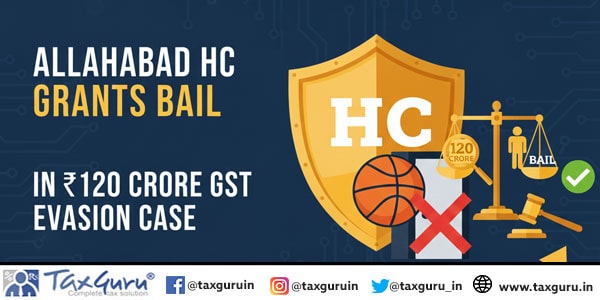
Allahabad HC Grants Bail in ₹120 Crore GST Evasion Case
Allahabad HC Slams Authorities for Seizing Goods Despite Valid GST E-Way Bill
All High Courts brings together judgments and orders of High Courts across India published on TaxGuru. The archive covers Income Tax, GST, Customs, Company Law, Corporate Law, insolvency, commercial laws and other taxation and regulatory matters. Readers can research important questions of law, constitutional challenges, writ petitions, statutory appeals and other proceedings decided by different High Courts. Chartered Accountants, advocates, tax professionals, businesses and legal researchers can use this consolidated archive to follow High Court jurisprudence across India. Separate High Court categories are available for court-specific judgments and orders.

