
Courts: All High Courts
Read latest High Court judgments and orders on Income Tax, GST, Customs, Company Law and other taxation, corporate, commercial and regulatory matters.

Reply SCN for Wrong Availment of GST ITC & Undisclosed Turnover: Delhi HC

Income Tax Proceedings Cannot Be Initiated Against a Deceased Person: Calcutta HC

Unutilised ITC of compensation cess allowed as refund even when goods are exported on payment of IGST
Extraordinary jurisdiction not invoked as efficacious alternative remedies available
Bail not granted as twin conditions laid down u/s. 37 of NDPS Act not satisfied
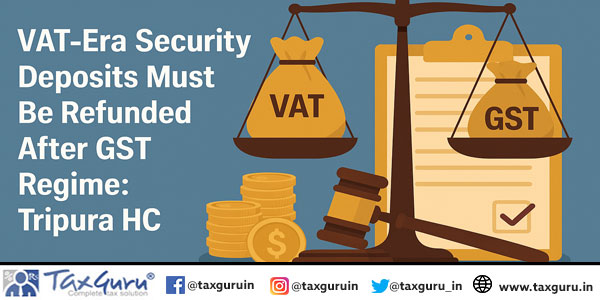
VAT-Era Security Deposits Must Be Refunded After GST Regime: Tripura HC
Reassessment post full and true disclosure results into mere change of opinion hence not sustained
Delhi HC Denies Condonation of Nine-Month Delay in Revised ITR Filing
Delhi HC Condones Delay in Filing GST Appeal Due to Director’s Illness
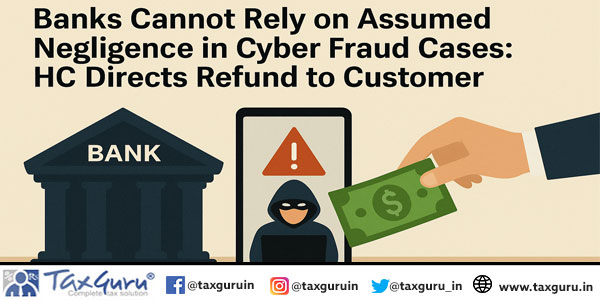
Banks Cannot Rely on Assumed Negligence in Cyber Fraud Cases: HC Directs Refund to Customer

Rajasthan HC Quashes Reassessment Notice Issued by JAO Due to Faceless Regime Requirements

Karnataka HC Grants Fresh Opportunity in GST Proceedings for Health Reasons
No Relief Under RBI Cyber-Fraud Circular When Customer Negligence Is Established: Allahabad HC
Corruption Charges Quashed Due to Insufficient Evidence of Conspiracy
All High Courts brings together judgments and orders of High Courts across India published on TaxGuru. The archive covers Income Tax, GST, Customs, Company Law, Corporate Law, insolvency, commercial laws and other taxation and regulatory matters. Readers can research important questions of law, constitutional challenges, writ petitions, statutory appeals and other proceedings decided by different High Courts. Chartered Accountants, advocates, tax professionals, businesses and legal researchers can use this consolidated archive to follow High Court jurisprudence across India. Separate High Court categories are available for court-specific judgments and orders.

