
Courts: All High Courts
Read latest High Court judgments and orders on Income Tax, GST, Customs, Company Law and other taxation, corporate, commercial and regulatory matters.

Reopening Invalid When AO Travels Beyond SCN: Gujarat HC

GST Bank Account Freeze Invalid After Statutory One-Year Period: Delhi HC

Calcutta HC Upholds Gold & Cash Seizure Under Customs Act; Orders Adjudication Within 3 Months

Karnataka HC Set Aside Ex-Parte Income Tax Assessment as Notices Sent to Former Employee’s Email
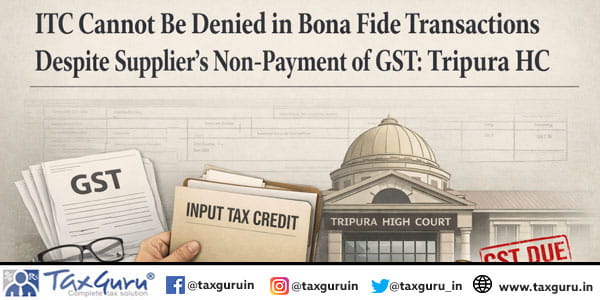
ITC Cannot Be Denied in Bona Fide Transactions Despite Supplier’s Non-Payment of GST: Tripura HC
Calcutta HC Denies Bail in Alleged Shell Company Fund Diversion Case Under Section 45 PMLA
Calcutta HC Remanded GST Appeal Due to Non-Filing of Proper CA Certificate with UDIN
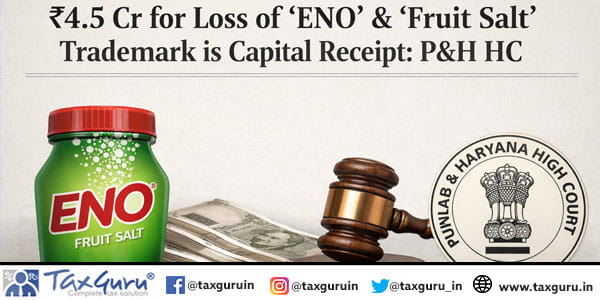
₹4.5 Cr for Loss of ‘ENO’ & ‘Fruit Salt’ Trademark is Capital Receipt: P&H HC

Mud Engineering & Chemicals Held Composite Supply as Services and Goods Are Inseparable

ITC Reversal Quashed as Section 16(5) Extension Overrides Section 16(4) Limitation: Madras HC

OD Bank Account Cannot Be Attached for GST Dues: Madras HC
Karnataka HC Restores Director Prosecution in TDS Default Case After Trial Court Discharge

Kerala HC Allows GST Refund as Limitation Counted from date of payment under correct head
Bending and Bundling services cannot be claimed under Clearing & Forwarding Services: Calcutta HC
All High Courts brings together judgments and orders of High Courts across India published on TaxGuru. The archive covers Income Tax, GST, Customs, Company Law, Corporate Law, insolvency, commercial laws and other taxation and regulatory matters. Readers can research important questions of law, constitutional challenges, writ petitions, statutory appeals and other proceedings decided by different High Courts. Chartered Accountants, advocates, tax professionals, businesses and legal researchers can use this consolidated archive to follow High Court jurisprudence across India. Separate High Court categories are available for court-specific judgments and orders.

