
Courts: All High Courts
Read latest High Court judgments and orders on Income Tax, GST, Customs, Company Law and other taxation, corporate, commercial and regulatory matters.

GST on University Affiliation Fees Quashed as Not a “Supply of Service” Under Section 7

GST Assessment Order Set Aside for No Personal Hearing Despite Portal Notice Upload

Madras HC Allows GST Appeal Subject to 25% Deposit Due to Rectification Rejection

Delhi HC Questions Delay in Making GST Appellate Tribunal Functional Despite Appointments

GST Registration Cancellation Set Aside as Court Directs Restoration on Payment of Outstanding Dues

Patna HC Refuses to Halt Sikrahana Embankment as Project Backed by Technical Expertise

Bombay HC Rejects Revenue Appeal Because Interest on Securities Accrues Only on Due Date

Kerala HC Grants Interim Stay on Film ‘The Kerala Story 2’ Citing Potential Communal Disharmony
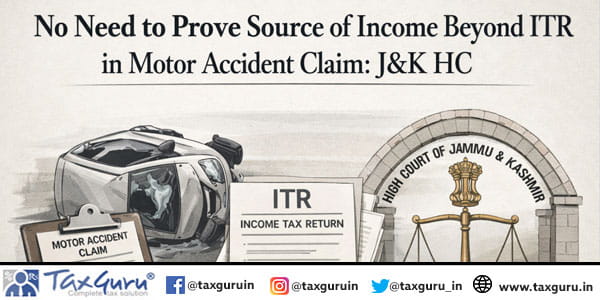
No Need to Prove Source of Income Beyond ITR in Motor Accident Claim: J&K HC

Writ Petition Dismissed as GST Appeal Time-Barred and No Extraordinary Grounds Shown
Kerala HC Quashed Technical Bid Rejection as Sister Concern’s Record Wrongly Applied
Section 148 Notice Quashed for Mechanical Approval Without Recorded Satisfaction: Delhi HC

Reassessment Order Set Aside for Lack of Fair Opportunity Despite Email Service to Consultant
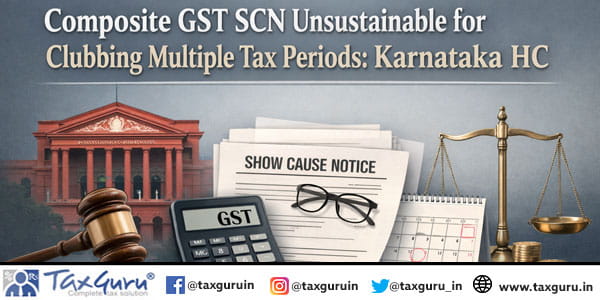
Composite GST SCN Unsustainable for Clubbing Multiple Tax Periods: Karnataka HC
All High Courts brings together judgments and orders of High Courts across India published on TaxGuru. The archive covers Income Tax, GST, Customs, Company Law, Corporate Law, insolvency, commercial laws and other taxation and regulatory matters. Readers can research important questions of law, constitutional challenges, writ petitions, statutory appeals and other proceedings decided by different High Courts. Chartered Accountants, advocates, tax professionals, businesses and legal researchers can use this consolidated archive to follow High Court jurisprudence across India. Separate High Court categories are available for court-specific judgments and orders.

