

Articles by this Author
Company Law
Company Law
ROC Mumbai Penalises Director ₹5,000 for Reporting NIL Debentures in MGT-7A
Finance
Finance
UAE or India? What Indian Founders Get Wrong When Structuring Cross-Border
Company Law
Company Law
ROC Kolkata Imposes ₹4.5 Lakh Penalty for Non-Filing of CSR-2
Corporate Law
Corporate Law
Does Insolvency Law’s Clean Slate Doctrine Really Wipe the Tax Record Clean?
Income Tax
Income Tax
TRC for Resident Taxpayers: Form 42 Application, Form 43
Income Tax
Income Tax
DTAA Benefits: Form 41 and TRC Required for Non-Residents
Company Law
Company Law
ROC Pune Imposes Section 10A(2) Penalty for 42-Day Delay in INC-20A Filing
Company Law
Company Law
ROC Delhi Imposes ₹6.65 Lakh Penalty for Delay in Appointing Independent Directors
Company Law
Company Law
ROC Coimbatore Imposes ₹3.5 Lakh Penalty for Failure to Appoint Internal Auditor
Income Tax
Income Tax
Bombay HC Quashes Section 148 Reassessment for Ignoring Registered Sale Deed
Fema / RBI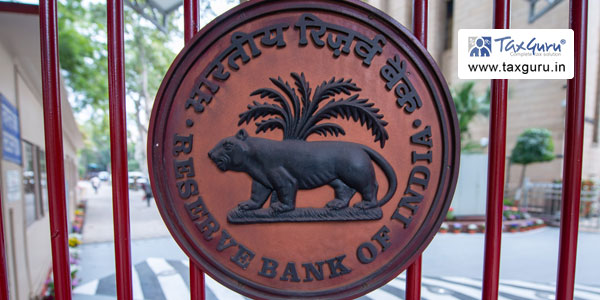
Fema / RBI
RBI Issues 2026 Fraud Risk Management Directions for NBFCs and HFCs
Fema / RBI
Fema / RBI
RBI Directs Banks to Strengthen FICN Detection, Training and Compliance Measures
Fema / RBI
Fema / RBI
RBI Issues 2026 Supervisory Directions for Credit Information Companies’ Compliance Systems
Fema / RBI
Fema / RBI

